If you want a little more breathing room without giving up day-to-day convenience, Orangevale often stands out for exactly that balance. It has a quieter, more spacious feel than many typical suburbs, yet it still connects you to the services, parks, and recreation that shape daily life in Sacramento County. If you are trying to decide whether Orangevale fits your lifestyle, this guide will help you understand what makes the area feel both rural and suburban. Let’s dive in.
What Orangevale feels like
Orangevale is best understood as a rural-suburban hybrid. Sacramento County planning documents describe it as a suburban and semi-rural community, which helps explain why it does not feel like a dense urban neighborhood or a fully rural town.
That character shows up in both the layout and the pace of the area. You will find residential streets, larger parcels in some sections, and a more open feel than you might expect in a community that is still part of the Greater Sacramento region.
Census data adds helpful context. In 2020, Orangevale had 35,569 residents across 11.45 square miles, with about 3,106 people per square mile. Those numbers point to a settled residential community, not a highly compact one.
Why Orangevale feels more spacious
A big reason Orangevale feels different is long-term planning. The Orangevale Community Plan, adopted in 1976, set goals to protect a high-quality rural lifestyle, preserve open space, and maintain a large-lot agricultural-residential alternative to urban-density development.
That planning framework still matters today. County analysis notes that areas north of Oak Avenue sit outside the county’s urban policy area, include larger parcels, and have limited water and sewer infrastructure.
In practical terms, that can translate to more visible open space and a less intense street pattern. County documents also note rural estate properties where horses and hobby livestock are part of the landscape, which reinforces Orangevale’s semi-rural identity.
What the housing pattern suggests
Orangevale’s housing pattern tends to support a more settled, homeowner-oriented lifestyle. Census data shows a 75.5% owner-occupied housing rate, with a median owner-occupied home value of $565,100.
The average household size was 2.64 people, and the population includes a mix of age groups, with 21.4% of residents under 18 and 19.6% age 65 and over. That mix suggests a community with staying power, where people put down roots over time.
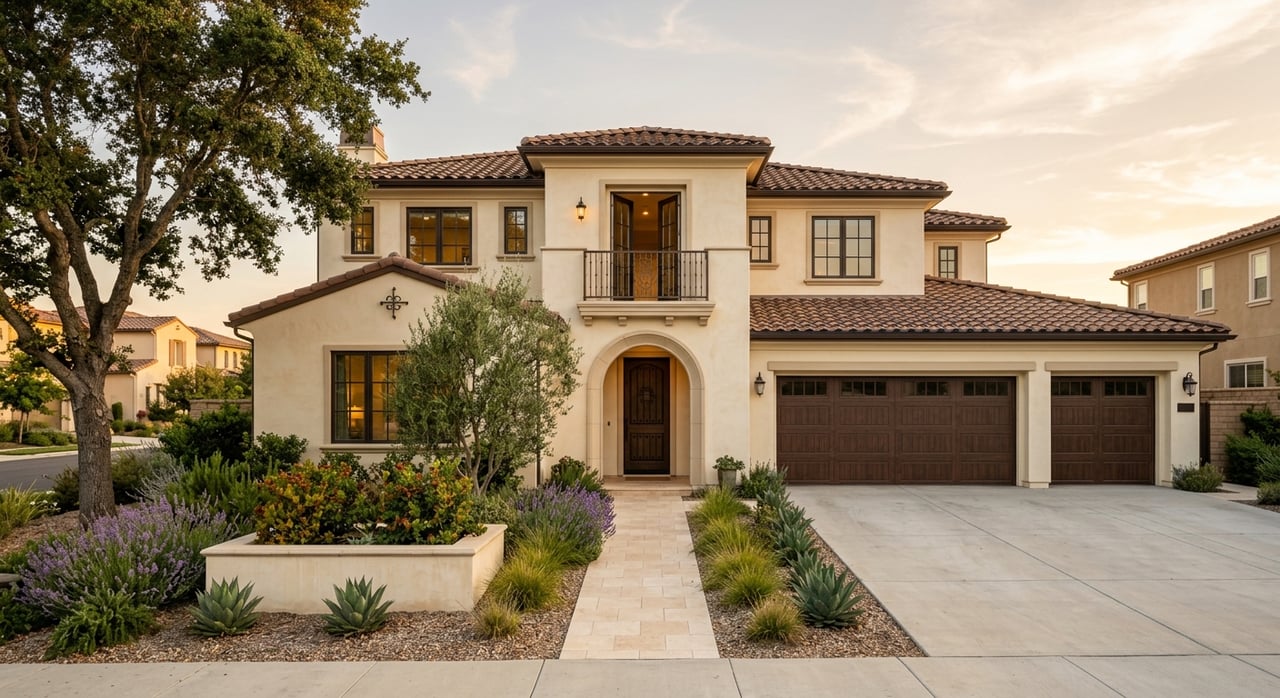
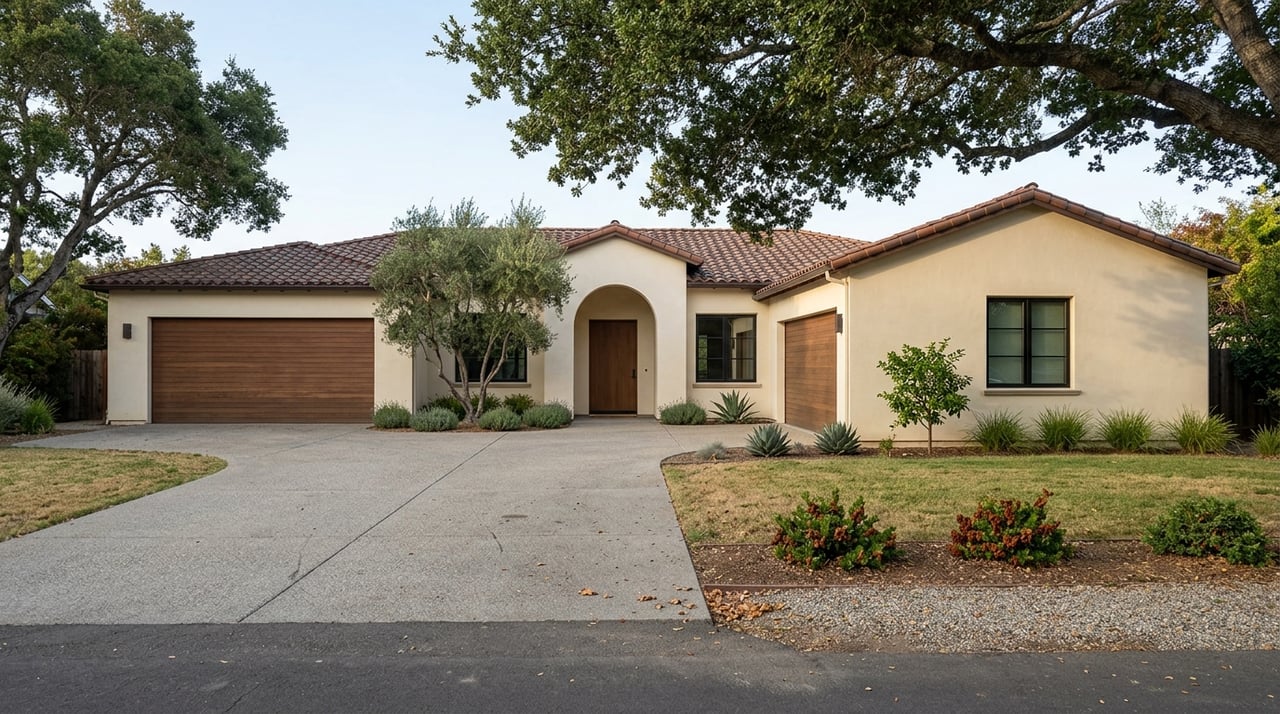
For many buyers, this means Orangevale may appeal if you want yard space, a quieter residential setting, or a home environment that feels less compressed than denser suburban areas. It is not about being far removed from everything. It is more about having a little more room around you.
Daily errands in Orangevale
One of the most important things to know is that convenience in Orangevale is corridor-based. Instead of having retail and services spread evenly across the whole community, many everyday errands are centered along a few main roads.
County planning documents identify Greenback Lane as the community’s commercial thread. They also point to Main Avenue as an important commercial center.
That means your experience of Orangevale may depend partly on where you live within the community. If you are close to those corridors, running errands may feel especially straightforward. If you are farther away, the setting may feel more residential and less service-heavy from block to block.
The Greenback and Main corridors
The Greenback and Main area plays a key role in how Orangevale functions day to day. A county streetscape master plan envisions a Downtown Orangevale where residents can park and walk to coffee, shopping, lunch, and nearby services.
That same plan specifically calls for more shops, restaurants, cafes, and boutiques along the Greenback/Main corridor. This helps explain why many people experience Orangevale as a place with familiar convenience nodes rather than one central, fully walkable downtown.
For you as a buyer or seller, that is a useful lifestyle detail. It means Orangevale offers access to everyday needs, but the convenience is concentrated in recognizable pockets rather than evenly distributed throughout the entire area.
Transit and access considerations
Transit access in Orangevale is also more concentrated along major routes. County housing analysis notes that bus service is focused along Hazel, Greenback, and Madison.
This matters because it shapes how connected different parts of Orangevale feel. Areas near those roads may offer easier access to routine transportation options, while areas farther from them may lean more heavily on driving for daily errands and commuting.
Census data shows the mean travel time to work was 28.4 minutes. For many households, Orangevale can offer a quieter home base while still keeping a manageable connection to the larger Sacramento region.
Parks shape the lifestyle
Outdoor recreation is one of the clearest parts of Orangevale’s identity. Local parks and nearby regional destinations give the community a relaxed, outdoors-oriented feel that many residents value.
OVparks lists Orangevale Community Center Park at 21.77 acres. It includes a community center, swimming pool, and activity building, making it an important everyday recreation hub.
Orangevale Community Park is even larger at 76 acres. It includes multiple recreation areas and the Shady Oaks Disc Golf Course, which adds another layer to the community’s active, outdoor character.
Access to Folsom Lake and the American River
Orangevale’s location also puts you near major regional recreation assets. County and state park resources place residents within reach of Folsom Lake State Recreation Area and the American River Parkway.
The state parks site notes that Folsom Lake State Recreation Area has access points for both Folsom Lake and Lake Natoma. For many people, that nearby access supports a lifestyle centered on fresh air, water recreation, trails, and weekend time outdoors.
This is one of Orangevale’s strongest lifestyle advantages. If you enjoy parks, open space, and regional recreation, the area offers more than just a residential address. It offers a setting that supports how you want to spend your free time.
Who Orangevale may appeal to
Orangevale can be a strong fit if you want a home in Greater Sacramento that feels more relaxed and less tightly packed. Buyers who prioritize larger lots, a lower-key environment, and access to outdoor recreation often find the area appealing.
It may also suit you if you like the idea of living in a residential community where shopping and services are nearby, but not dominating every street. That balance is part of what gives Orangevale its distinct identity.
At the same time, Orangevale may not feel ideal if you want a dense commercial environment or highly uniform transit access throughout every part of the community. The tradeoff for more space and a semi-rural feel is that convenience is stronger along key corridors than across the entire map.
What sellers should understand
If you are selling a home in Orangevale, the lifestyle story matters. Buyers are often not just comparing square footage or finishes. They are also comparing how a neighborhood feels and how the surrounding area supports their daily routine.
In Orangevale, that story often includes more breathing room, a quieter residential setting, and strong access to parks and regional recreation. Depending on the property, larger lots or a more open setting may be especially meaningful selling points.
This is where local positioning becomes important. A thoughtful marketing plan can highlight the practical value of corridor-based conveniences while also showing why Orangevale’s semi-rural character stands out in the Greater Sacramento market.
Why lifestyle fit matters most
The best way to think about Orangevale is not as fully suburban or fully rural. It is a blend of both, and that blend is exactly what draws many buyers to the area.
You get a community shaped by open-space goals, larger-lot patterns in some sections, and easy access to outdoor recreation. At the same time, you still have established commercial corridors and a connection to the broader Sacramento area.
If you are looking for a place that feels calm, grounded, and a little more spacious, Orangevale may offer the right mix. And if you are preparing to sell, understanding that mix can help you present your home in a way that resonates with the right buyers.
Whether you are buying, selling, or simply weighing your next move in Greater Sacramento, Portfolio Real Estate can help you build a personalized plan with local insight and high-touch guidance.
FAQs
What does rural-suburban mean in Orangevale?
- In Orangevale, rural-suburban generally means a mix of residential neighborhoods, larger parcels in some areas, preserved open-space character, and everyday services concentrated along main commercial corridors.
Is Orangevale a dense Sacramento suburb?
- No. Census and county planning information point to Orangevale as a settled suburban and semi-rural community rather than a dense urban-style suburb.
Where are the main shopping areas in Orangevale?
- County planning documents identify Greenback Lane as the main commercial thread and Main Avenue as another important commercial center.
What makes Orangevale feel more spacious?
- County planning goals focused on preserving open space, supporting large-lot agricultural-residential development, and maintaining a high-quality rural lifestyle help create Orangevale’s more open feel.
What parks support the Orangevale lifestyle?
- Orangevale Community Center Park, Orangevale Community Park, nearby Folsom Lake State Recreation Area, and the American River Parkway all support the area’s outdoor-oriented lifestyle.
Is Orangevale a good fit if you want outdoor recreation?
- Orangevale may appeal to you if you want close access to local parks, disc golf, lake recreation, and regional open space while still living in a residential Sacramento County community.