Every seller in Land Park eventually has to think about disclosure paperwork. The paperwork was never the hard part. The hard part is that sellers may not know what's under their own house if nobody has looked since the last time it was under contract, sometimes decades ago. And in a neighborhood where many homes were built around the same time, the buyer's inspector may find the same things your neighbor's inspector found three houses down.
A Neighborhood Built On One Set Of Assumptions
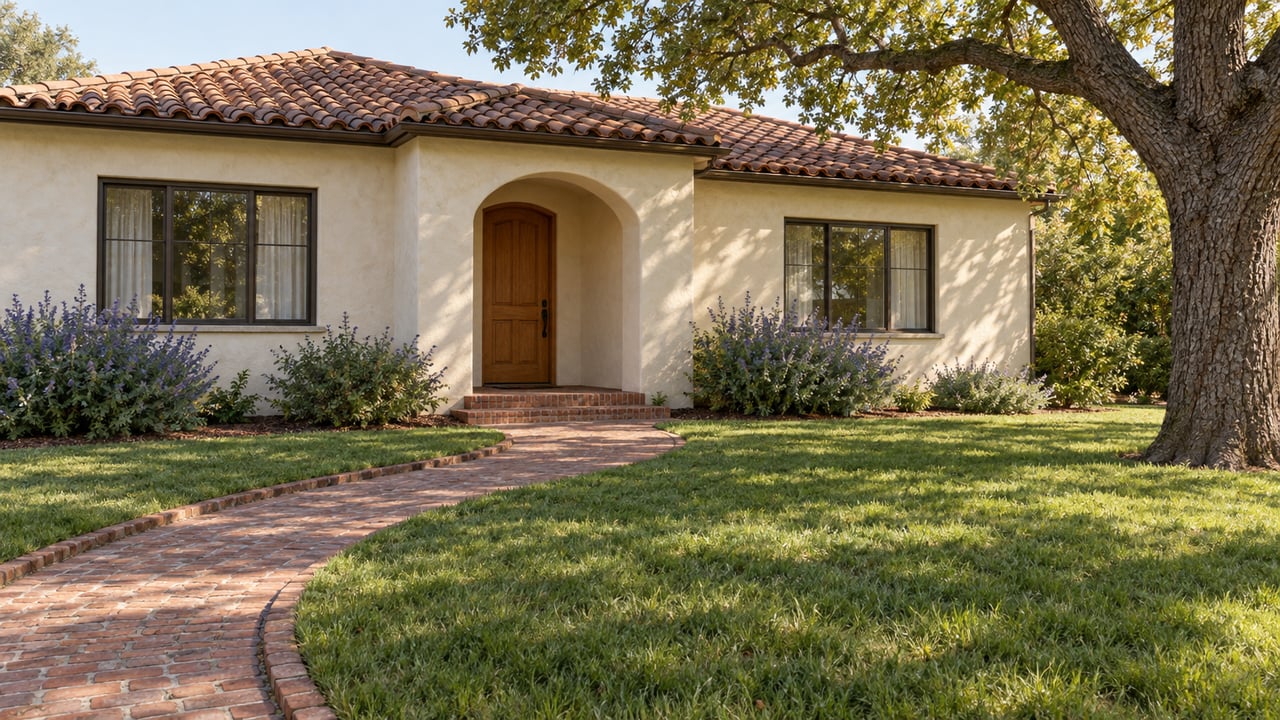
Land Park's housing stock isn't a mix of eras the way some Sacramento neighborhoods are. Most of the bungalows lining its tree-canopied streets went up in the 1930s and 1940s, which means most of them share the same original systems: galvanized steel supply lines, raised pier-and-beam foundations instead of slabs, and clay sewer laterals running out to the street. The same mature oaks that make the neighborhood photograph well can also contribute to those clay laterals cracking and shifting, since root intrusion into clay laterals is one of the most consistent findings local plumbers report across the area.
None of this makes a Land Park home a bad buy. It makes the inspection outcome predictable. If you've lived in the house for fifteen years and never had the crawlspace or the sewer line scoped, you're selling with less information about your own property than the buyer is about to have.
Disclosure Paperwork
A visual walkthrough disclosure known as the AVID form documents what a trained set of eyes notices during a showing that you might not think to mention.
If you haven't looked, you're filling out paperwork based on assumptions about a house you may not have actually crawled under.
The One Disclosure That Isn't Optional Here
There's a second form that applies almost universally in Land Park regardless of what you know or don't know: the federal lead-based paint disclosure required under Title X for any home built before 1978. Since the bulk of the neighborhood predates that cutoff by three or four decades, this isn't a maybe. It's baked into the sale.
The rule requires you to give buyers the EPA's lead hazard pamphlet and disclose any known lead paint information, and it grants buyers a ten-day window to conduct their own lead inspection before the contract becomes binding. A buyer can waive that window in writing. You cannot waive it for them. In a market where buyers are already moving fast, a seller who's prepared for that ten-day clock loses less time than one who's hearing about it for the first time after opening escrow.
What Actually Shows Up Under A Ninety-Year-Old Bungalow
| System | What's original to the era | What an inspector typically flags |
|---|---|---|
| Water supply | Galvanized steel pipe | Internal corrosion, restricted flow, discolored water |
| Sewer lateral | Clay pipe to the street | Root intrusion, cracked joints, bellied sections |
| Electrical | Knob-and-tube remnants under later updates | Insufficient amperage, outdated panels |
| Foundation | Raised pier-and-beam | Wood rot at post bases, uneven floors, moisture in the crawlspace |
None of these findings are unique to any one address. They're a function of the year the neighborhood was built, which is exactly why a pre-listing inspection tells you more here than it would in a subdivision built in the 1990s. That advance information can help you decide whether to address any of the four systems before a buyer's inspector raises it during the transaction.
Why The Same Finding Costs More Here
A cracked pier or a rotted post under a Land Park bungalow isn't priced the same as an equivalent slab crack in a newer suburb. Foundation specialists working across Sacramento note that raised pier-and-beam homes in Land Park and Curtis Park sit at the expensive end of local repair ranges, sometimes running toward $18,000 for a full re-leveling job, largely because tight crawlspace access and original brick or wood pier construction slow the work down. Compare that to a slab-on-grade home in a neighborhood like Elk Grove or Natomas, built from the 1980s onward, where a comparable fix is often a same-day mudjacking or foam injection job at a fraction of the cost.
That gap matters at the negotiating table. A buyer's agent who knows the neighborhood will price a foundation credit request against the high end of that range, not the low end. Sellers who've already gotten a written estimate walk into that conversation with a number instead of a guess.
Sewer Lateral Context And Repiping
If you've sold property in the Bay Area, or talked to anyone who has, you may have heard about sewer lateral compliance certificates, the point-of-sale inspection mandates that cities like Oakland and unincorporated Alameda County require through EBMUD, or the programs run by cities like San Bruno and South San Francisco.
If a repair does turn into a full repipe, the City of Sacramento's building department requires a plumbing permit for whole-house work, with inspections typically scheduled within a few business days, so factor that timeline into any pre-listing repair decision.
The Sequence That Actually Protects Your Net Proceeds
The order you do things in matters more than the paperwork itself.
- Get a private inspection or scope of the systems most likely to show age: the sewer lateral, the crawlspace, the electrical panel.
- Decide, with real numbers in hand, whether to repair, credit, or price around each finding.
- Complete your TDS and lead disclosure with actual knowledge instead of guesses.
- Let your agent's AVID walkthrough happen after you've already addressed what you can.
That sequence matters more in a market moving as fast as this one. Land Park listings were going under contract in a median of 24 days as of August 2026. That's not much runway to react if a buyer's inspector surfaces a foundation issue you didn't know about and asks for a credit before your agent has had time to get a second opinion. Sellers who inspect first negotiate from a position of knowledge. Sellers who wait find out what their house is worth at the same moment the buyer does.
A Few Common Questions
Does every home in Land Park require the lead paint disclosure? If it was built before 1978, yes, regardless of whether you've ever seen peeling paint or believe the walls have been repainted since.
How should I handle what an inspector finds? What you fix versus credit is a negotiation, though buyers in a tight market are more likely to ask for both.
How do I find out if my sewer lateral is still original clay pipe? A camera scope from a licensed plumber is the only reliable way to know, since age alone doesn't tell you whether a prior owner already replaced the line.
Selling a home this old in a neighborhood this specific isn't about clearing a checklist. It's about knowing what you're working with before someone else tells you. If you're weighing a listing in Land Park and want a clear-eyed read on what your specific house is likely to surface, Portfolio Real Estate can walk the property with you and build a plan before it ever hits the market. Get a free home valuation and personalized plan.
This article is general information, not legal, tax or financial advice. Consult a qualified professional about your situation.