Thinking about buying a fixer-upper in Carmichael to build equity and make a home your own? You’re not alone. Many homes here were built in the mid-20th century, which means lots of solid houses ready for smart updates. In this guide, you’ll learn how to spot a good candidate, what to budget, which permits you’ll likely need, and how to finance renovations without overextending. Let’s dive in.
Data current as of March 2026. Always confirm market figures and county rules before you write an offer.
Why Carmichael is a smart place for fixers
Carmichael sits in unincorporated Sacramento County, so you’ll work with the county for permits and inspections. Much of the housing stock dates from the 1950s through the 1970s, which often means good bones and layouts that respond well to cosmetic improvements. That age profile is a big reason value-minded buyers find opportunities here.
Market snapshots in early 2026 showed a median sale price in the mid-$500Ks. Prices shift month to month, but this range can make a fixer in Carmichael pencil out compared with newer areas or pricier metros. The key is separating a true cosmetic project from a home that hides costly systems or structural repairs.
What you’ll find in local homes
Typical stock and layouts
You’ll mostly see one-story ranches, modest split-levels, and post-war tract homes. Lots vary, and areas closer to the American River can include larger parcels and custom homes. These homes are often straightforward to refresh, though age-related maintenance can sit under the surface.
Cosmetic updates with impact
If you focus on high-visibility, lower-complexity upgrades, you can transform the look without blowing the budget:
- Interior paint, trim repair, new lighting, and hardware swaps
- Flooring updates like LVP, engineered hardwood, or tile
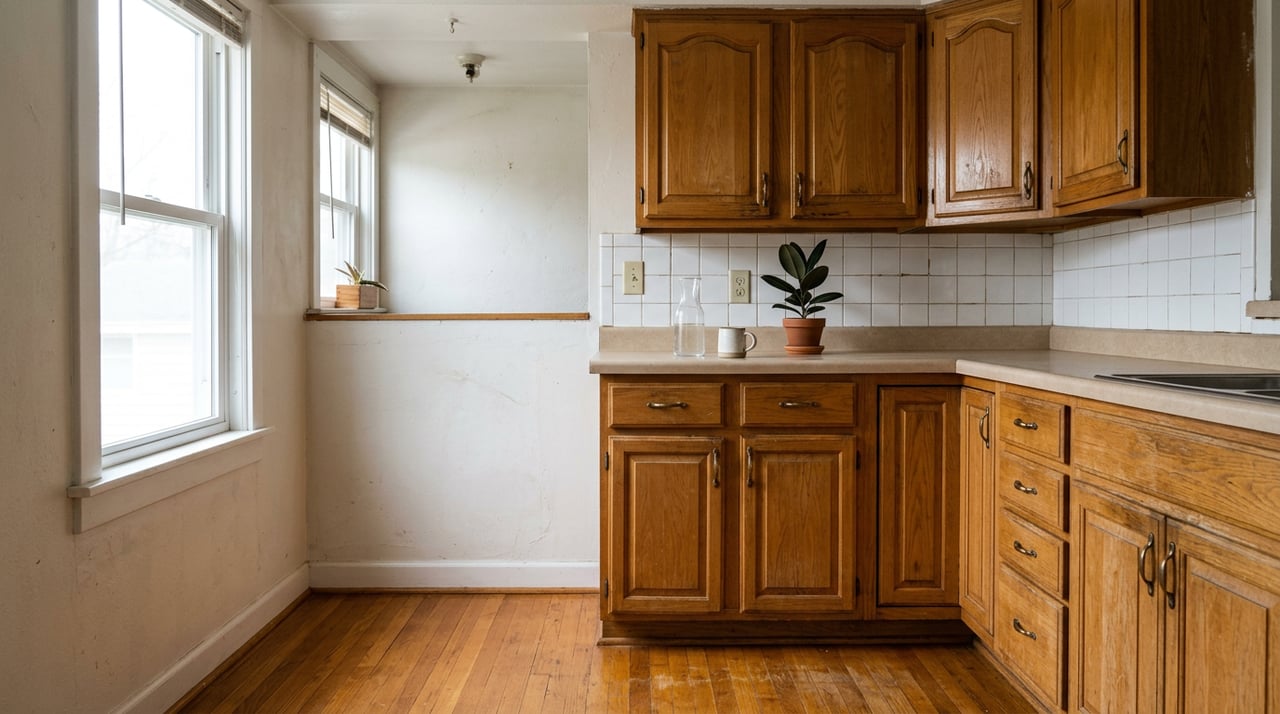
- Kitchen refreshes such as refacing cabinets, new countertops, and appliances
- Bathroom improvements like fresh tile, fixtures, and better ventilation
- Curb appeal wins with landscaping and a new garage or entry door
When you prioritize projects, use regional Cost vs Value data for the Sacramento metro to gauge typical costs and resale impact. The latest figures in the Sacramento report can help you rank projects by return on investment. Review the Sacramento section in the Remodeling Cost vs Value report for current benchmarks at the metro level: Sacramento Cost vs Value.
Hidden issues to check
Older homes can hide big-ticket items that move your plan from “light cosmetic” to “full remodel.” A licensed home inspector will flag most of these and recommend specialists. For a quick overview of what a standard inspection covers, see this guide to typical inspector scope: what to expect in a home inspection.
Watch for these higher-risk items:
- Roof age and leaks, outdated electrical panels, aging HVAC, and older plumbing systems
- Termites, dry rot, or other wood-destroying organisms. In California, a licensed structural pest control company issues the official WDO report that lenders often require. You can search state records here: California WDO database.
- Foundation movement, poor grading, or drainage problems that lead to moisture issues
- Flood risk near creeks or the American River. Check parcel-specific flood zones using FEMA’s address search: FEMA Flood Map Service Center
- Asbestos and lead-based paint in pre-1978 homes. Plan for certified testing and abatement if needed
Budget, financing, and timelines
Set a realistic budget
Use metro-level Cost vs Value benchmarks as a starting point when estimating project scope and resale impact. Typical order-of-magnitude ranges you might see locally include:
- Cosmetic updates like paint, trim, and fixture swaps: a few thousand to low five figures
- Mid-range kitchen or bathroom remodels: mid five to low six figures depending on scope
- Major systems or structural projects, such as foundation work, full HVAC replacement, or a re-roof with repairs: tens of thousands to $100k or more
Always get at least three local bids, and build a contingency. Many pros recommend a 10 to 20 percent reserve for older homes where surprises are common. Learn why a contingency matters and how to structure one here: renovation cost and contingency basics.
Financing choices for renovations
You do not have to pay for all repairs out of pocket. Two widely used options allow you to bundle purchase and renovation:
- FHA Section 203(k). This FHA renovation mortgage lets owner-occupants finance the purchase plus repairs in one loan. There are two tracks, limited and standard, with specific rules on consultants and timelines. Review the official consumer fact sheet: FHA 203(k) overview.
- Fannie Mae HomeStyle Renovation. This conventional renovation loan finances work based on the as-completed value and can be used for primary homes, second homes, and, with higher down payment, certain investor scenarios. Explore program details here: Fannie Mae HomeStyle Renovation.
Other paths include construction-to-perm loans, a HELOC, cash, or private lending for flips. Each has tradeoffs on down payment, rates, and allowable work, so talk with a lender early in your search.
Timelines you can expect
Schedules depend on scope, permits, and contractor availability. As a general guide:
- Cosmetic refreshes like paint, flooring, and fixtures: 2 to 8 weeks
- Mid-size kitchen or bath remodels: 6 to 14 weeks, often dependent on permits and product lead times
- Major structural or systems work: several months, including plan check and inspection sequencing
Get familiar with typical pacing and plan for delays. A practical overview of durations, sequencing, and variables is here: renovation schedule expectations.
Permits and inspections in Carmichael
Who issues permits
Because Carmichael is unincorporated, you’ll work directly with Sacramento County’s Building Permits & Inspection department. Many projects trigger permits, including additions, layout changes in kitchens or baths, electrical panel upgrades, HVAC replacement, and re-roofing with structural changes. Start with the county portal for guidance and online submittals: Sacramento County Building Permits & Inspection.
Thinking about adding an accessory dwelling unit in the future? The county offers pre-checked ADU plan sets that can speed up approvals. Learn more here: shelf-ready ADU plans.
Title 24 energy compliance
California’s energy code requires compliance documentation for many permitted projects, such as window replacements, HVAC changes, and additions. Ask your designer or permit tech what forms you need early in planning. This overview highlights notable updates under the current standards: Title 24 changes at a glance.
Who to hire for due diligence
At minimum, line up this team during your inspection window:
- Licensed general home inspector to evaluate major systems and structure, and to recommend specialist follow-up
- Licensed structural pest control inspector for an official WDO report
- Sewer scope vendor or plumber to camera-scan older lines, especially if large trees are nearby
- Structural engineer if you see foundation cracks, sloping floors, or need structural changes
- Licensed electrician, plumber, and HVAC contractor for targeted estimates and permitable scope when the inspector flags concerns
- A general contractor or estimator to create a realistic bid and sequencing plan if your purchase depends on renovation timing
Buyer checklist for Carmichael fixers
Pre-offer research
- Confirm recent comps for the immediate area and note the date of your snapshot
- Search the state WDO database for prior termite reports or treatments: California WDO database
- Check the property’s flood zone and any Letters of Map Change: FEMA Flood Map Service Center
- Ask for permit history and verify county records for unpermitted work: Sacramento County Building Permits & Inspection
During your inspection contingency
- Attend a full general home inspection
- Order a WDO inspection by a licensed structural pest control company
- Schedule a sewer scope for homes built before about 1980 or with mature trees
- Get a roofer’s opinion if the inspector flags age, leaks, or patchwork
- Have a licensed electrician assess older panels or marginal capacity
- Bring in a structural engineer if you see cracks, settlement, or framing changes
Negotiation tips
- If inspections reveal major issues, request seller repairs, a credit, or a price reduction. Tie the request to written bids from licensed contractors and permit-ready scopes
- Secure renovation financing pre-approval before your contingency expires. For owner-occupants, consider FHA 203(k). For conventional options, review HomeStyle Renovation
- Keep a 10 to 20 percent contingency in your budget to protect your timeline and closing plan
Ready to shop smarter?
When you pair the right house with a realistic scope, a Carmichael fixer can be a great way to build equity and create a home that fits your life. Our team helps you evaluate condition, confirm permit paths, and craft offers that balance risk and reward. If you want local guidance and a vendor network that knows Greater Sacramento, reach out to Portfolio Real Estate to start a focused search and renovation plan.
FAQs
What is the typical price point for Carmichael fixers?
- Early 2026 snapshots showed a median sale price in the mid-$500Ks, but conditions change monthly, so verify neighborhood-level data right before you write an offer.
Which renovations usually deliver the best ROI in Sacramento?
- Metro-level data suggests projects like minor kitchen updates, new entry or garage doors, and well-scoped exterior improvements often score well; review the Sacramento section of the Cost vs Value report.
Do I need permits for a kitchen or bath remodel in Carmichael?
- If you move plumbing, alter electrical, change layout, or replace major systems, the county will likely require permits; start with Sacramento County Building Permits & Inspection to confirm your scope.
Can investors use renovation loans for Carmichael properties?
- FHA 203(k) is designed for owner-occupants, while Fannie Mae HomeStyle can support primary homes, second homes, and some investor uses with higher down payment; see FHA 203(k) and HomeStyle Renovation.
How do I check flood risk near the American River?
- Use FEMA’s address search to confirm the parcel’s flood zone and any Letters of Map Change: FEMA Flood Map Service Center.
Where can I find official termite or WDO records for a Carmichael home?
- Search the state-maintained database for inspections and treatments by address: California WDO database.