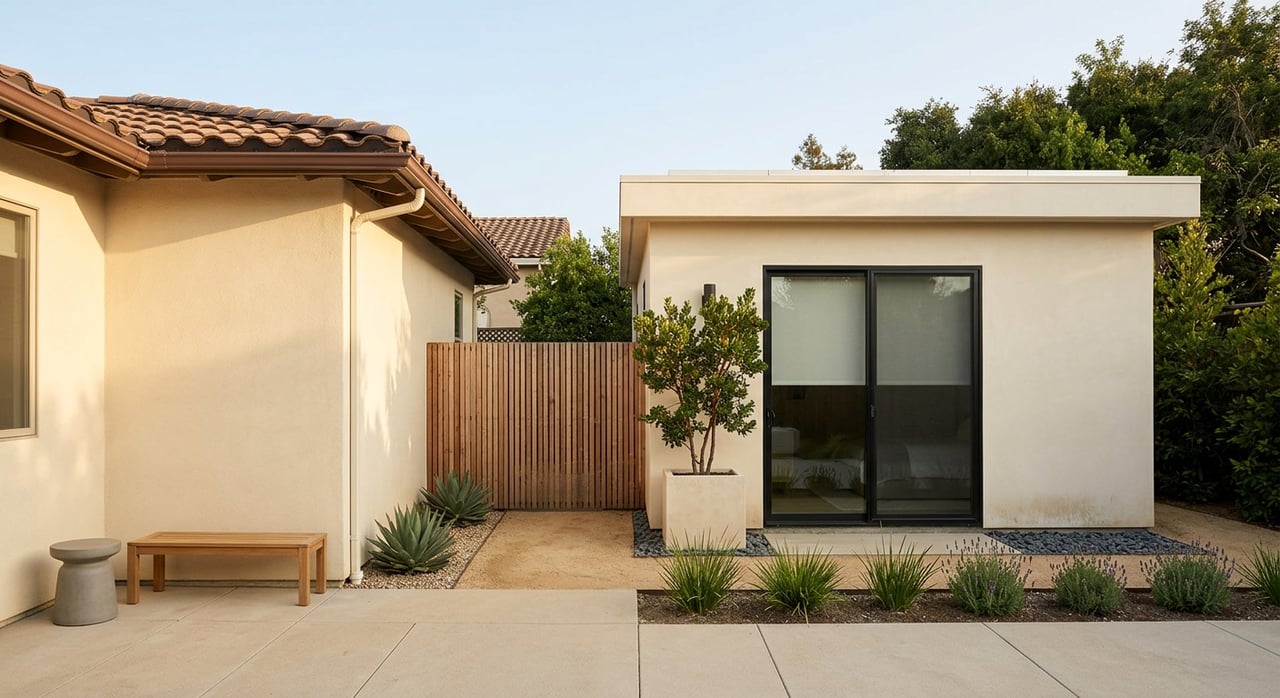
Thinking about adding an ADU in Pocket Greenhaven? In a neighborhood where most homes sit in established residential blocks, an accessory dwelling unit can be a smart way to create more flexibility without leaving the area you already love. If you are exploring space for family, rental income, or a work-from-home setup, understanding Sacramento’s rules and Pocket-specific site factors can help you make better decisions from the start. Let’s dive in.
Why ADUs make sense in Pocket Greenhaven
Pocket Greenhaven is largely built out, and the City of Sacramento describes it as a community with limited opportunities for large-scale new development. In the city’s 2040 General Plan for Pocket Greenhaven, the goal is to preserve the area’s primarily residential character while encouraging smaller housing options, including ADUs.
That matters if you own a home here. In an established area with mostly single-family homes, an ADU can work as an infill solution that adds usable living space while keeping the overall feel of the neighborhood intact.
Common ADU types for Pocket homes
In Pocket Greenhaven, the best ADU format often depends on your lot layout more than anything else. Because many homes are in older, built-out blocks, your options may be shaped by side-yard width, backyard depth, existing garages, easements, and setback rules.
For many homeowners, the most realistic paths are:
- Attached ADUs built as an addition to the main house
- Detached backyard ADUs on lots with enough open space
- Garage conversions that turn existing square footage into living space
- JADUs created within the existing home footprint
Sacramento’s ADU standards allow several of these approaches, but each property needs its own review under the city code. That is especially true in Pocket, where parcel conditions can vary from one street to the next.
How homeowners use ADUs
According to the California Department of Housing and Community Development’s ADU guide, ADUs are commonly used for multigenerational living, caregiver housing, rental income, and flexible home-based work space. Freddie Mac also notes that ADUs may increase property value, generate income, and expand living options for adult children or parents through its ADU resource page.
For Pocket Greenhaven homeowners, these uses often line up with the neighborhood itself. If you want to stay close to family, create more privacy for a relative, or add a separate living area without moving, an ADU can support those goals while letting you remain in an established Sacramento community.
Sacramento ADU rules to know
Before you sketch plans or call a builder, it helps to understand the city rules that shape what may be possible.
Number of units allowed
Under Sacramento’s ADU regulations, up to two ADUs may be allowed on a lot with an existing or proposed primary residential structure. The city also allows applicants to use either the local ADU option or state ADU standards, but those two paths cannot be mixed together.
Size limits
The city’s ADU handout says detached ADUs can be up to 1,200 square feet under the local option. Attached ADUs can generally be up to 50 percent of the primary home’s floor area or 850 square feet, with up to 1,000 square feet allowed for some larger attached plans.
JADUs are capped at 500 square feet. Sacramento code also states that, in most cases, the property owner must live onsite if there is a JADU.
Renting and ownership
An ADU may be rented separately from the main house, but it cannot be sold separately from the property, according to the city’s ADU handout. That is an important point if you are thinking about long-term value or future resale strategy.
Fees and utility notes
Sacramento’s current ADU handout states that impact fees are waived for ADUs under 750 square feet, though school district impact fees still apply. The same handout also says a separate water meter tap is not required for ADUs.
Pocket-specific site issues to check early
Even if your idea looks simple on paper, Pocket Greenhaven properties can come with site constraints that affect design, placement, and cost.
Levee setbacks and river-adjacent parcels
For some lots near the Sacramento River corridor, the city code says an ADU may not project into the required setback from the landside toe of a levee. If your property is near the river or tied to levee-related land constraints, you will want to screen for those issues very early in the process.
Easements and lot layout
Older subdivisions often have utility easements, narrower side yards, or backyard conditions that limit where a detached unit can go. That does not mean an ADU is off the table, but it may mean a garage conversion, attached unit, or smaller detached design makes more sense.
Overlay and district rules
The city also notes that some parcels may be subject to historic district, landmark, or other overlay standards. You should not assume your lot is free of special rules until you verify it through the city’s parcel tools and planning review process.
A practical ADU planning process
A good ADU project usually starts with research before design. Sacramento’s step-by-step planning guide recommends confirming zoning, design review district status, and other site conditions early.
A practical workflow looks like this:
- Check the parcel details using the city’s land lookup tools and assessor information
- Review site constraints such as easements, overlays, and possible levee setbacks
- Choose an ADU type that fits the lot and your goals
- Talk with a planner if the site is complex or the layout raises questions
- Prepare code-compliant plans before applying for permits
- Submit plans electronically through the city’s permit system
- Complete inspections before work is covered and before final approval
The city says planning approval, or concurrent planning review, must happen before the building permit application is submitted. It also says ADU applications are reviewed ministerially and must generally be approved or denied within 60 days once a complete application is submitted for a lot with an existing residential use.
Can permit-ready plans help?
For straightforward projects, they might. Sacramento offers permit-ready and preapproved ADU plan resources, including studio, one-bedroom, and two-bedroom options.
That said, a preapproved plan is not a one-click permit. The city still requires site-specific design work and planning or zoning approval before permits are issued, so you still need to confirm that the plan actually fits your Pocket Greenhaven parcel.
When to bring in a designer early
Some ADU projects are simple enough to evaluate quickly. Others need professional input much earlier, especially if you are considering a garage conversion, second-story addition, or a lot with river-adjacent constraints.
Bringing in a qualified designer early can help you avoid spending time on a layout that will not work under Sacramento’s objective standards. It can also give you a clearer picture of tradeoffs between size, placement, privacy, and cost before construction planning begins.
What an ADU can mean for resale
If you may sell in the future, an ADU can affect how buyers see your property. Freddie Mac states that ADUs can support long-term value, and California HCD points out that they can appeal to buyers looking for multigenerational flexibility, rental potential, or aging-in-place options.
In Sacramento, the practical issue is documentation. Because an ADU is part of the parcel rather than a separately saleable unit, buyers will usually want confidence that the structure was built through the correct city process with proper plans, permits, and inspections.
That is one reason to keep records organized from day one. If you eventually sell, complete documentation can help your property feel more straightforward and credible to future buyers.
Final thoughts for Pocket Greenhaven owners
In a neighborhood like Pocket Greenhaven, ADUs can be a thoughtful way to add flexibility without changing your address. The key is matching your goals to your actual parcel, because lot shape, levee setbacks, easements, and city pathway rules can all influence what is realistic.
If you are weighing whether an ADU makes sense for your property or your future resale plans, working with a local team can help you think through the bigger picture. Portfolio Real Estate can help you understand how an ADU may fit into your property strategy, whether you are planning to stay, invest, or eventually sell.
FAQs
What is the most common ADU type for Pocket Greenhaven homes?
- In many cases, attached ADUs, garage conversions, JADUs, and smaller detached backyard units are the most practical options because Pocket Greenhaven is a built-out, primarily single-family area where lot constraints matter.
How many ADUs can you have on a Sacramento residential lot?
- Sacramento code says up to two ADUs may be allowed on a lot with an existing or proposed primary residential structure, depending on the property and the standards used.
Can you rent out an ADU in Pocket Greenhaven?
- Yes. Sacramento allows ADUs to be rented separately from the main house, but the unit cannot be sold separately from the property.
How long does Sacramento take to review an ADU application?
- The city says it must approve or deny a complete ADU application within 60 days when there is an existing residential use on the lot.
Do levee setbacks affect ADU construction in Pocket Greenhaven?
- They can. For some river-adjacent parcels, Sacramento code says an ADU may not project into the required setback from the landside toe of a levee, so those constraints should be checked early.
Are Sacramento ADU fees waived for smaller units?
- The city’s ADU handout says impact fees are waived for ADUs under 750 square feet, although school district impact fees still apply.