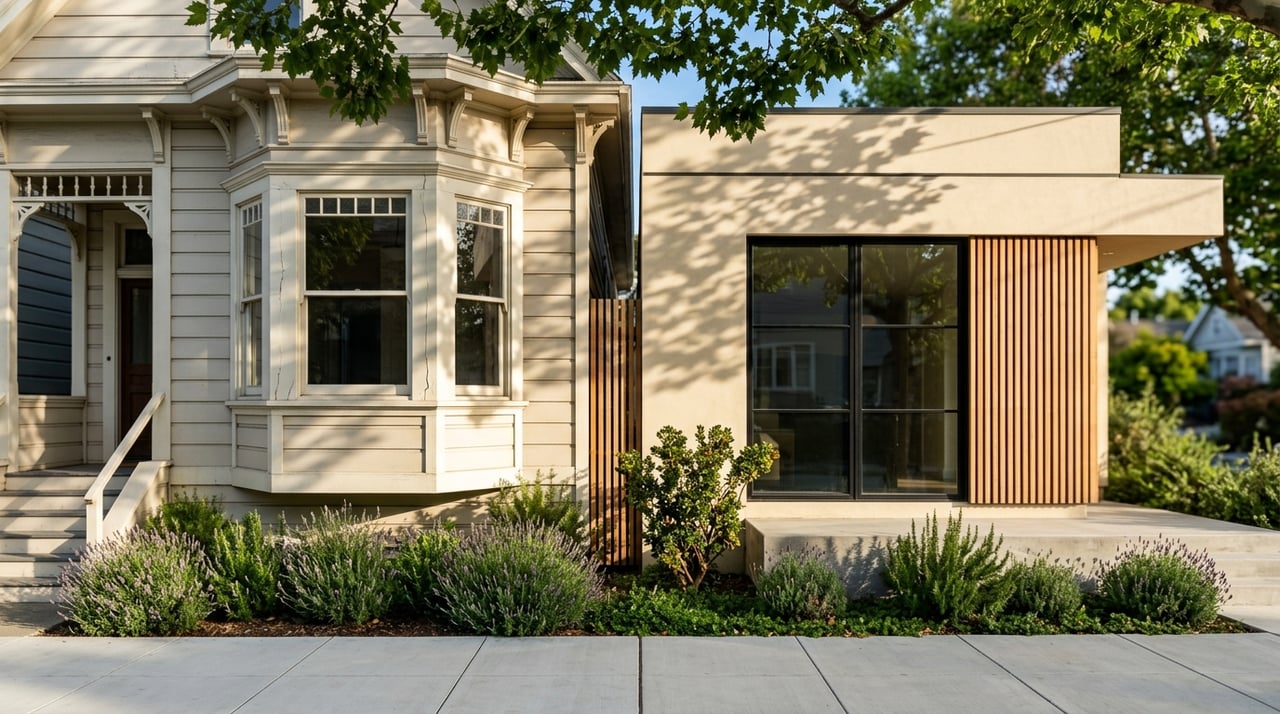
Buying in Midtown Sacramento can feel a little like touring several eras at once. On one block, you might see a porch-heavy bungalow, a tall Victorian with detailed trim, a warehouse-style loft, and a newer condo with clean modern lines. If you are trying to decide what fits your life, it helps to know what each style usually means for layout, upkeep, and day-to-day living. Let’s dive in.
Why Midtown homes feel so varied
Midtown sits in Sacramento’s central urban core, and the City describes it as a walkable, culturally active area with historic charm, dense foot traffic, local businesses, and ongoing modern development. That mix helps explain why Midtown housing feels layered instead of uniform.
You are not just looking at different designs. You are also seeing the result of preservation efforts and newer infill development happening side by side. In some areas, historic status can affect what kinds of exterior changes are reviewed before permits are issued.
Historic districts matter in Midtown
If a home is a landmark or sits within a Historic District, the City says Site Plan and Design Review may apply before a building permit is issued. Small maintenance projects are often exempt, but exterior work, windows, doors, and major site changes usually trigger review.
That does not mean historic homes are harder to love. It means you should understand the rules before planning updates, additions, or an ADU. In Midtown, style often comes with context, and that context can shape your ownership experience.
Victorian homes and late-19th-century styles
Midtown buyers often come across homes influenced by late-19th- and early-20th-century styles found across Sacramento’s central city. The City identifies styles such as Italianate, Stick/Eastlake, Queen Anne, Folk Victorian, Shingle, and Classical Revival in nearby historic districts.
These homes tend to stand out quickly. They often have strong vertical presence, decorative trim, bay windows, porches, and more complex rooflines than newer construction.
What makes Victorian-era homes distinctive
Queen Anne homes often feature asymmetrical shapes, varied materials, spindlework, multi-paned or stained-glass windows, and wraparound porches. Italianate homes often emphasize height, low overhanging roofs, decorative brackets, and porch or tower details.
If you love architecture with personality, these homes usually deliver it in a big way. They can offer a memorable street presence and a classic streetcar-era feel that many buyers find hard to replicate.
What daily life can feel like
These homes often have larger room counts, more vertical layouts, and in some cases raised basements or high foundations. That can give you flexibility, charm, and architectural detail that newer homes may not match.
At the same time, more exterior detailing usually means more to maintain. Older porches, windows, and rooflines can require extra attention, and exterior changes in designated historic areas may need City review.
Craftsman bungalows in Midtown
If you want historic character in a more modest footprint, Midtown’s Craftsman bungalows are worth knowing. Bungalow Row on Q Street is a one-block historic district made up of modestly sized Craftsman bungalows.
These homes are typically one to two stories with low-pitched gabled roofs, overhanging eaves, wood siding, and a fairly consistent setback from the street. The result is a streetscape that feels cohesive and easy to recognize.
Why buyers like Craftsman bungalows
Craftsman bungalows are often a practical middle ground. They tend to feel smaller and more efficient than many Victorian homes, while still offering older-home charm and a strong connection to the street through the front porch.
The style is known for broad gables, deep porches, and simple details tied to natural materials. Many buyers like that balance because it feels inviting without being overly ornate.
What to expect with upkeep
These homes may be simpler than a Victorian, but they are not maintenance-free. Porches, chimneys, exposed eaves, and wood siding still need attention over time.
In Bungalow Row, district standards specifically discourage enclosing historic porches or exposed eaves. If you are considering changes, it is smart to ask how any planned updates align with the original low, horizontal massing of the house.
Loft-style condos on R Street
Midtown is not just about detached historic homes. Along R Street, you will also find loft-style living shaped by adaptive reuse and infill development.
The R Street Historic District began as a warehousing, commercial distribution, and light industrial corridor. The City describes many buildings there as rectangular, brick or concrete, utilitarian in style, and oriented around freight or garage openings rather than front porches.
What loft living usually offers
Because these buildings were designed for industrial use, loft-style homes often feel more open and flexible than a traditional house layout. You may see a more expansive interior shell and a different relationship between living space and architecture.
This style often appeals to buyers who care most about an urban setting, nearby restaurants and businesses, and distinctive architecture. In many cases, the tradeoff is less private outdoor space compared with a detached home.
What buyers should keep in mind
Maintenance may look different here than it does in a single-family home. If you are considering visible exterior changes or window changes in a historic district, preservation review may still apply.
That is why it helps to think beyond finishes when touring a loft. You are also buying into a building type and a district character that shape what future changes may look like.
Newer infill homes and condos
Midtown also includes newer infill homes and condos that reflect Sacramento’s continued central-city growth. The Central City Specific Plan describes the area as a mix of housing, jobs, restaurants, shops, and other urban uses, and the City points to current development projects that support that evolution.
For buyers, newer infill often offers a very different ownership experience than a historic property. The appeal is usually convenience, efficiency, and a more modern urban feel.
Why newer infill appeals to buyers
Newer homes and condos often have more efficient floor plans and contemporary finishes. They may sit on smaller urban parcels or within mixed-use buildings, which can make them a good fit if you want low-maintenance living close to Midtown amenities.
The City’s infill guidance connects this kind of development with better use of existing infrastructure, reduced sprawl, improved walkability, and access to amenities. If your priority is modern function over historic ornament, this category may feel like the best match.
The tradeoffs to consider
A newer home may mean less immediate repair work because the construction and systems are newer. For many buyers, that lower-friction ownership experience is a major plus.
The tradeoff is often less private outdoor space and less historic detailing. If you are comparing options, it helps to decide whether you value character, convenience, or some blend of both.
How to compare Midtown home styles
When you tour Midtown homes, style should not be treated as just an aesthetic choice. In this market, style often acts as a shortcut for understanding how a home lives.
A Victorian may offer the most ornament and presence, but also the most upkeep. A bungalow may balance charm and efficiency. A loft may maximize urban character and walkability. A newer infill home may offer the smoothest day-to-day ownership experience.
Quick comparison guide
| Home style | Layout feel | Upkeep pattern | Lifestyle fit |
|---|---|---|---|
| Victorian and similar historic styles | Larger room counts, vertical layout, porches, bay windows | More exterior detail and more maintenance | Buyers who want architecture and classic street presence |
| Craftsman bungalow | Smaller, efficient, porch-forward | Moderate upkeep for wood siding, porches, eaves | Buyers who want charm in a more manageable size |
| Loft-style condo | Open, flexible, industrial character | Different maintenance profile, possible review for visible changes | Buyers who prioritize urban living and location |
| Newer infill home or condo | Efficient modern floor plan | Usually less immediate repair work | Buyers who want convenience and lower maintenance |
Questions to ask when touring Midtown properties
Before you write an offer, it helps to ask a few direct questions that go beyond staging and finishes. In Midtown, these details can affect renovation plans, parking expectations, and long-term ownership.
Start with the property’s historic context. Then look at how the lot and building actually function on a daily basis.
Ask these questions during your tour
- Is the property a landmark, within a Historic District, or a contributing resource?
- Which exterior features are visible from the street and may be subject to review?
- Does the lot rely on alley access or street parking?
- If you want an addition or ADU later, how might the historic context shape that design?
- Does this layout fit how you want to live day to day?
Choosing the right Midtown style for you
The best Midtown home is not always the one with the most charm or the newest finishes. It is the one that matches your priorities, your maintenance comfort level, and the kind of city living you actually want.
If you want help sorting through Midtown’s housing mix, the right guidance can save you time and help you focus on homes that fit from the start. For local insight and a personalized plan, connect with Portfolio Real Estate.
FAQs
What home styles are common in Midtown Sacramento?
- Midtown Sacramento includes Victorian-era homes, Craftsman bungalows, loft-style condos in former industrial areas like R Street, and newer infill homes and condos.
What should buyers know about historic homes in Midtown Sacramento?
- Buyers should ask whether a property is a landmark, within a Historic District, or a contributing resource because exterior work, windows, doors, and major site changes may be subject to City review.
What is the difference between a Midtown Sacramento bungalow and Victorian home?
- A bungalow is usually smaller and more efficient with a porch-forward layout, while a Victorian-style home often has more ornament, a taller profile, and more detailed exterior features.
Are lofts in Midtown Sacramento different from traditional houses?
- Yes. Loft-style homes, especially around R Street, often have more open and flexible interiors because many come from former warehouse or industrial building types.
Why do buyers choose newer infill homes in Midtown Sacramento?
- Many buyers choose newer infill homes or condos for modern layouts, newer systems, lower-maintenance living, and close access to Midtown amenities.
What should buyers ask when touring Midtown Sacramento homes?
- Buyers should ask about historic district status, visible exterior features, parking access, alley use, and whether future additions or ADUs may need to fit historic design context.