Thinking about listing your East Sacramento home and wondering what to do first? Older, character homes in East Sac shine when they are well‑documented, thoughtfully refreshed, and marketed with care. With the right prep, you can reduce surprises in escrow, attract stronger offers, and move on your timeline. This guide gives you a step‑by‑step checklist tailored to East Sacramento, including documents to gather, inspections to consider, repairs that pay off, and a smart launch plan. Let’s dive in.
Why prep matters in East Sacramento
East Sacramento is known for tree‑lined streets, classic Craftsman and Colonial homes, and the historic Fab Forties pocket. Many homes were built in the early to mid‑1900s, which means buyers look closely at permits, system updates, and condition. The City of Sacramento’s planning documents also recognize East Sac’s distinct architectural character and long‑established neighborhood fabric, which sets clear expectations for quality and documentation when you sell. You can see this local context in the city’s East Sacramento plan overview in the General Plan update.
- Learn more about neighborhood context in the City of Sacramento’s East Sacramento profile in the 2040 General Plan update. City of Sacramento: East Sacramento profile (PDF)
The bottom line: in a desirable, older neighborhood like East Sac, buyers expect clear disclosure packets, permit history for renovations, and polished presentation. Good prep helps your listing compete with nearby standouts.
Documents to gather now
Get these items organized before you hit the market. Many can go into a downloadable disclosure packet on the MLS.
- Transfer Disclosure Statement (TDS). California requires most sellers of 1–4 unit properties to provide a TDS. Start your draft early so you can disclose fully and accurately. See California Civil Code §1102 for the statutory requirement. California Civil Code §1102
- Natural Hazard Disclosure (NHD) and flood panel. Because East Sac is near the American River, verify whether your parcel lies in a mapped hazard zone and include the NHD in your packet. See Civil Code §1103 for NHD rules. California Civil Code §1103
- Lead‑based paint disclosure for pre‑1978 homes. Provide the EPA/HUD pamphlet and signed lead disclosure if the home was built before 1978. EPA lead disclosure guidance
- Wood‑destroying insect (termite) report. Many lenders ask for a WDI report or clearance. Pre‑ordering an inspection can reduce delays. Industry uses standard NPMA or state forms. NPMA WDI forms overview
- Permits and contractor records. Gather permit cards, finals, contractor invoices, warranties, and any occupancy certificates for past work like roof, electrical, kitchen, bath, or ADU projects.
- HOA documents if applicable. Order the full resale packet early and review for special assessments or common‑area issues.
- Utility or municipal clearances. Some regions require private sewer lateral certificates before sale. Sacramento’s rules vary by parcel and utility. Ask your listing broker to check with the city or county for your address. For context, see a Bay Area example of a private sewer lateral program here: EBMUD private sewer laterals
Important: California expects sellers to disclose known material facts. If you order a pre‑listing inspection and learn about defects, you are obligated to disclose those findings. Your agent can help you time and present disclosures correctly under Civil Code §1102.
Your phased prep plan
Use this timeline to plan your work. Adjust based on condition, budget, season, and your ideal move date.
9–12 months before listing
- Decide whether to complete capital projects like roof, HVAC, or foundation repair, or sell as‑is at an appropriate price.
- If you plan system replacements, start permits early and document all work.
- Research the home’s historic or design context if you made recent exterior changes, and keep any approvals with your permits file.
3–6 months before listing
- Order a seller‑paid home inspection and a termite/WDI inspection. You control vendor selection and timing, and you can choose what to fix versus credit. Remember that discoveries must be disclosed. Pre‑listing inspection primer
- Get contractor estimates for safety, structural, and major systems. Schedule high‑priority repairs first.
- Start your disclosure packet: TDS draft, NHD/flood panel, permit copies, HOA packet, service records, appliance manuals.
6–8 weeks before listing
- Do a cosmetic refresh. Neutral interior paint, minor carpentry, grout and caulk touch‑ups, updated hardware, and lighting go a long way.
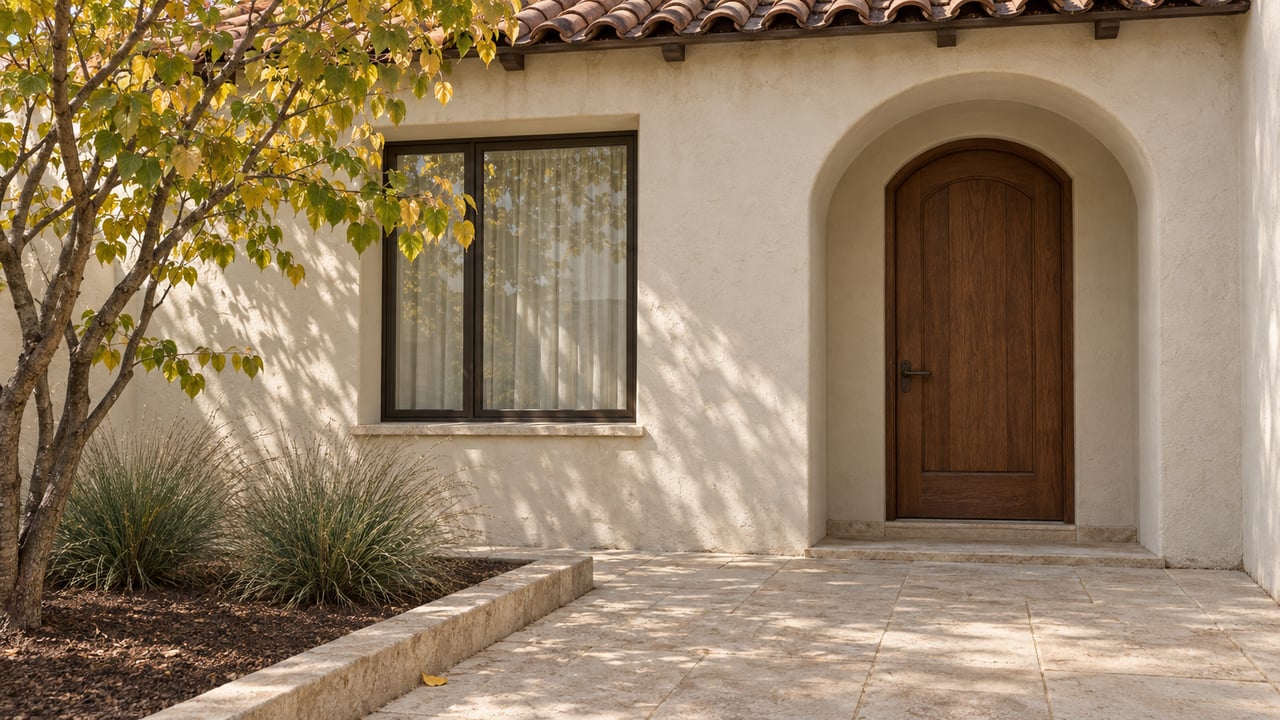
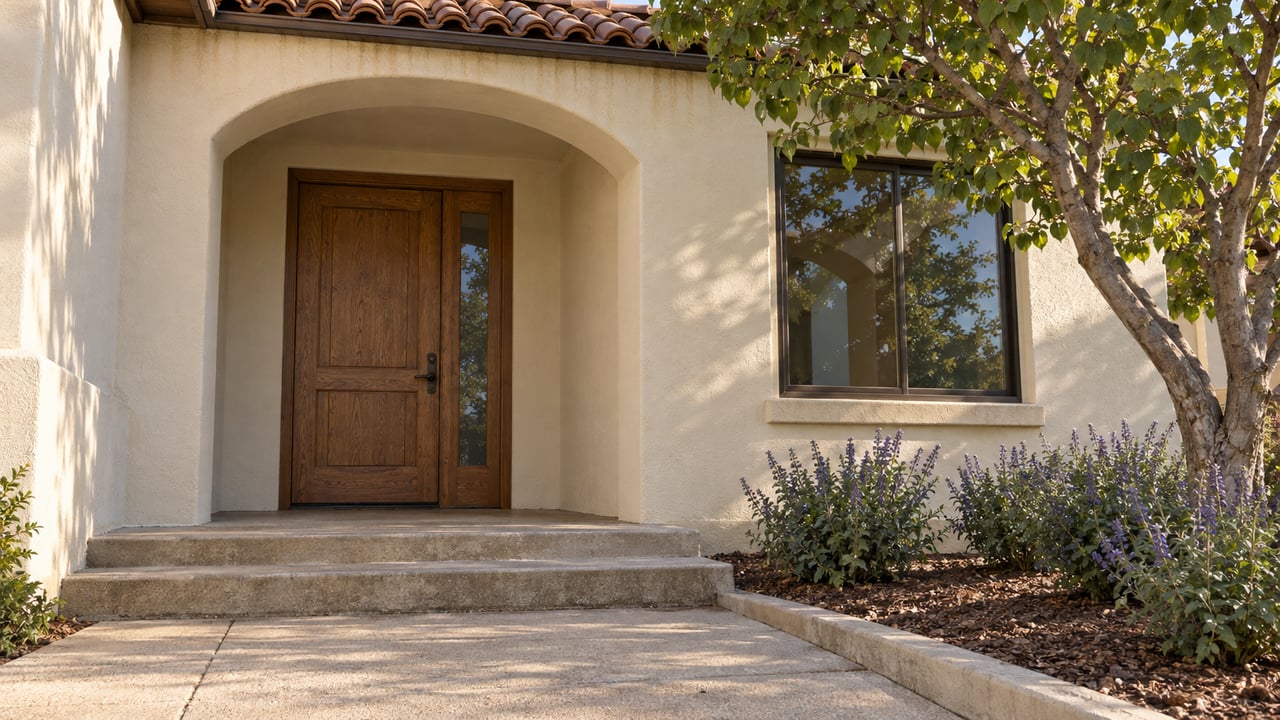
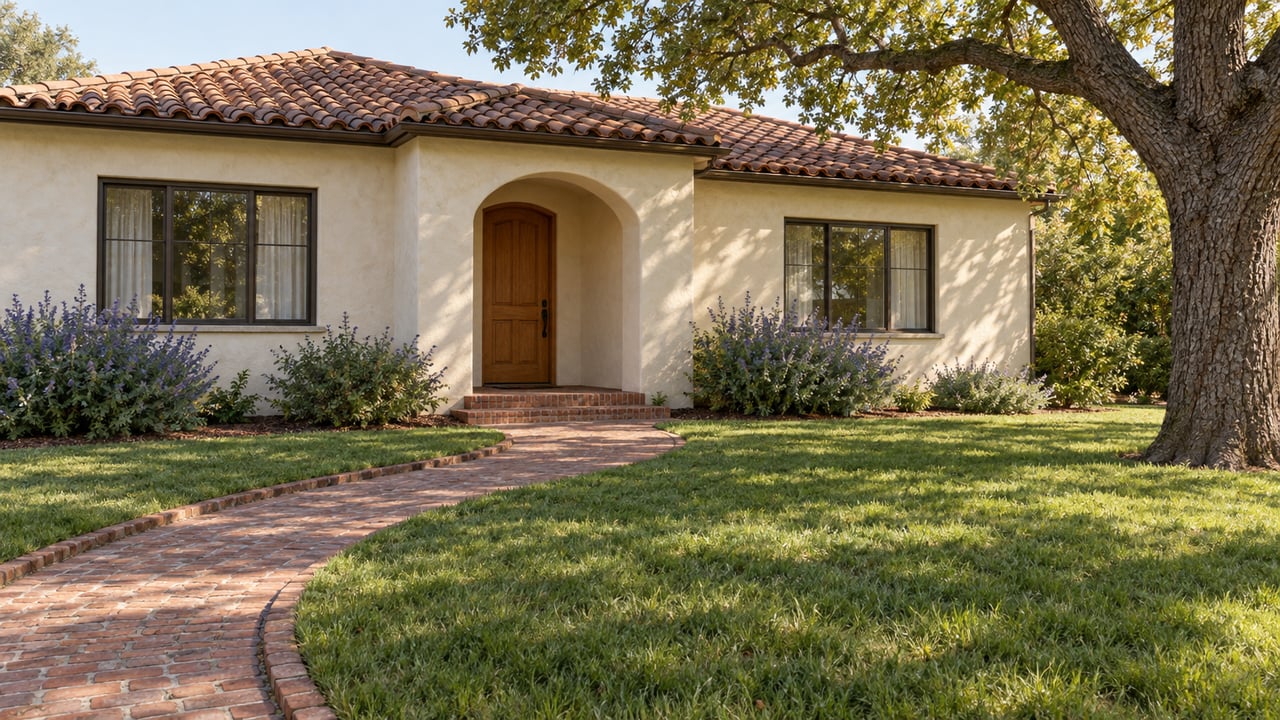
- Boost curb appeal. Trim trees and shrubs, add fresh mulch, clean walkways, wash windows, and tidy the porch.
- Plan staging. Many agents report staging can shorten time on market and is associated with modest price lifts. Industry medians cluster near about 500 dollars for agent‑led staging and about 1,500 dollars for professional packages. NAR: staging impact and trends
2–3 weeks before listing
- Deep clean, steam clean carpets, declutter, and depersonalize.
- Stage key rooms: living room, kitchen, dining, primary bedroom, and outdoor entertaining areas.
- Schedule media. Professional photography packages typically range from about 150 to 500 dollars depending on scope, with add‑ons for drone, floor plans, or 3D tours. Real estate photography pricing
Listing week and launch
- Assemble a complete disclosure packet for the MLS: TDS, NHD, termite/WDI, permits, HOA docs, and a concise inspection summary if you pre‑inspected.
- Publish with full media: photos, floor plan, and 3D tour if layout is nonstandard. Aim for a mid‑week live date to capture weekend traffic.
- Hold a broker preview and plan weekend showings or an open‑house schedule that fits your goals.
Under contract to close
- Respond to buyer inspection requests per contract. Keep detailed receipts for all repairs and re‑inspections.
- If the lender requires a termite or mechanical clearance, coordinate vendors quickly through your agent and provide documentation.
Repairs and ROI: what to fix first
Prioritize items that remove buyer friction and protect the home.
- Safety and systems. Address electrical hazards, gas concerns, roof leaks, plumbing that risks damage, and failing HVAC. These are top buyer objections.
- Wood‑destroying organism issues. Termite activity or dry rot must be disclosed and is commonly negotiated. Consider pre‑treating or obtaining a WDI report to reduce uncertainty. Termite inspection basics
- High‑impact cosmetics. Fresh neutral paint, clean flooring, updated fixtures, and spotless grout give buyers confidence and typically return strong value per dollar.
Marketing and media essentials
Strong presentation helps older homes stand out and reduces questions during showings.
- Professional photos plus floor plan and 3D tour. Floor plans and virtual tours build confidence, especially for unique layouts and remote buyers.
- Drone and aerial context. Aerials can highlight tree canopy, lot context, and proximity to parkways. Hire a Part 107 certified remote pilot for commercial drone work. FAA Part 107 overview
- Twilight exterior and curb appeal shots. Schedule at the right light for warm, inviting images.
- Organized digital launch. A property website and polished social posts can help capture attention from the start.
Time your launch window
Many agents target a mid‑week go‑live, often Thursday, to maximize weekend exposure. Have your disclosures, media, and showing plan ready at launch so motivated buyers can act quickly. Staging and top‑tier visuals support a strong first weekend. NAR: staging impact and trends
What Portfolio Real Estate coordinates for you
A full‑service team can make prep and launch smooth and predictable. Here is what a high‑touch brokerage can arrange for you:
- Order and review pre‑listing home and termite inspections, then coordinate contractor bids and schedules. Pre‑listing inspection primer
- Pull permit history and compile your disclosure packet for MLS upload, including TDS, NHD, and relevant permits. California Civil Code §1102
- Hire and schedule staging, professional photography, floor plans, drone, 3D tours, and twilight shots, with a property website and digital launch plan. Real estate photography pricing
- Manage showings, a broker preview, and produce printed disclosure packets for visitors.
- Coordinate escrow milestones, lender clearance letters, proof of repairs, and warranty transfers.
8‑week example launch timeline
Use this as a simple countdown if you are a ready mover.
- Weeks 8–6: Order pre‑listing and termite inspections. Collect permits, receipts, and manuals. Decide what to fix versus credit.
- Weeks 6–4: Complete safety and structural repairs. Paint and refresh landscaping. Book and begin staging.
- Weeks 3–2: Deep clean, declutter, and finalize staging. Confirm your photographer. Schedule photos, drone, floor plan, and 3D tour.
- Week 1: Upload MLS listing and disclosure packet. Soft‑launch to the broker network. Publish Thursday evening. Host broker preview and weekend showings.
- Under contract: Respond to appraisal and lender conditions. Provide documentation and complete any required clearances with receipts.
Quick seller checklist
- Pull your parcel’s NHD and FEMA flood panel and your permit record.
- Order a seller pre‑inspection and a termite/WDI report if the home is older or shows wood or moisture issues.
- Fix items that remove buyer friction first, like safety and major system concerns, before cosmetics.
- Stage the living room, primary bedroom, kitchen, and outdoor space. Budget for staging and professional photos, and note expected benefits.
- Ask your listing broker to assemble the disclosure packet, confirm any municipal seller obligations for your parcel, and upload it at launch.
Ready to build your custom plan for East Sacramento? Get a thoughtful, local strategy and full‑service execution with Portfolio Real Estate. We will help you prep with confidence and launch for maximum impact.
FAQs
What disclosures are required to sell a home in California?
- Most sellers must provide the Transfer Disclosure Statement under Civil Code §1102 and the Natural Hazard Disclosure under §1103. If your home was built before 1978, include the EPA lead pamphlet and signed disclosure. A termite/WDI report is often requested by lenders or negotiated in escrow.
How do I know if my East Sacramento home needs a lead‑based paint disclosure?
- If the property was built before 1978, federal law requires you to give buyers the EPA/HUD pamphlet and a signed disclosure. Your agent can supply the forms and add them to your MLS packet.
Should I order a termite inspection before listing in East Sacramento?
- Yes, especially for older homes or if you see signs of dry rot or moisture. A pre‑listing WDI report can reduce surprises and help you address issues on your schedule.
Do I need a sewer lateral certificate to sell in Sacramento?
- Requirements vary by utility and parcel. Sacramento does not mirror every Bay Area program. Ask your agent to check with the city or county for your address. For context on how programs can look elsewhere, see EBMUD’s private sewer lateral information.
How much should I budget for staging and listing photos in Sacramento?
- Industry medians often fall near about 500 dollars for agent‑led staging and about 1,500 dollars for professional packages. Typical photography packages range from about 150 to 500 dollars, with add‑ons for drone, floor plans, or 3D tours.
When is the best day to list in East Sacramento?
- Many agents favor a mid‑week launch, often Thursday, to build momentum into the weekend. Have media and disclosures ready so serious buyers can act fast.