Thinking about listing your East Sacramento home this season? In a neighborhood where historic charm meets high demand, price can be the difference between a smooth sale and weeks of second-guessing. You want strong interest, clean offers, and a confident path to the closing table. In this guide, you’ll learn proven pricing strategies tailored to East Sacramento, what data matters, and how to avoid common pitfalls so you can list to win. Let’s dive in.
Why East Sacramento pricing is unique
East Sacramento covers beloved residential pockets east of downtown, including McKinley Park and the Fab 40s, with tree-lined streets and period homes. Exact neighborhood boundaries can vary by source, so confirm with the City of Sacramento, neighborhood associations, or your MLS when you reference specific streets or amenities. This local clarity matters when you select comps and set your list price.
Strong neighborhood desirability and limited inventory of well-kept period homes often support premium pricing. When a home shows well and sits on a desirable block, competition can build quickly. At the same time, broader conditions like mortgage rates, employment, and seasonal trends still influence buyer behavior.
Micro-markets also matter. The Fab 40s and streets near parks may perform differently than blocks that border commercial corridors. Treat each block as its own market, and be precise with comps.
What drives demand here
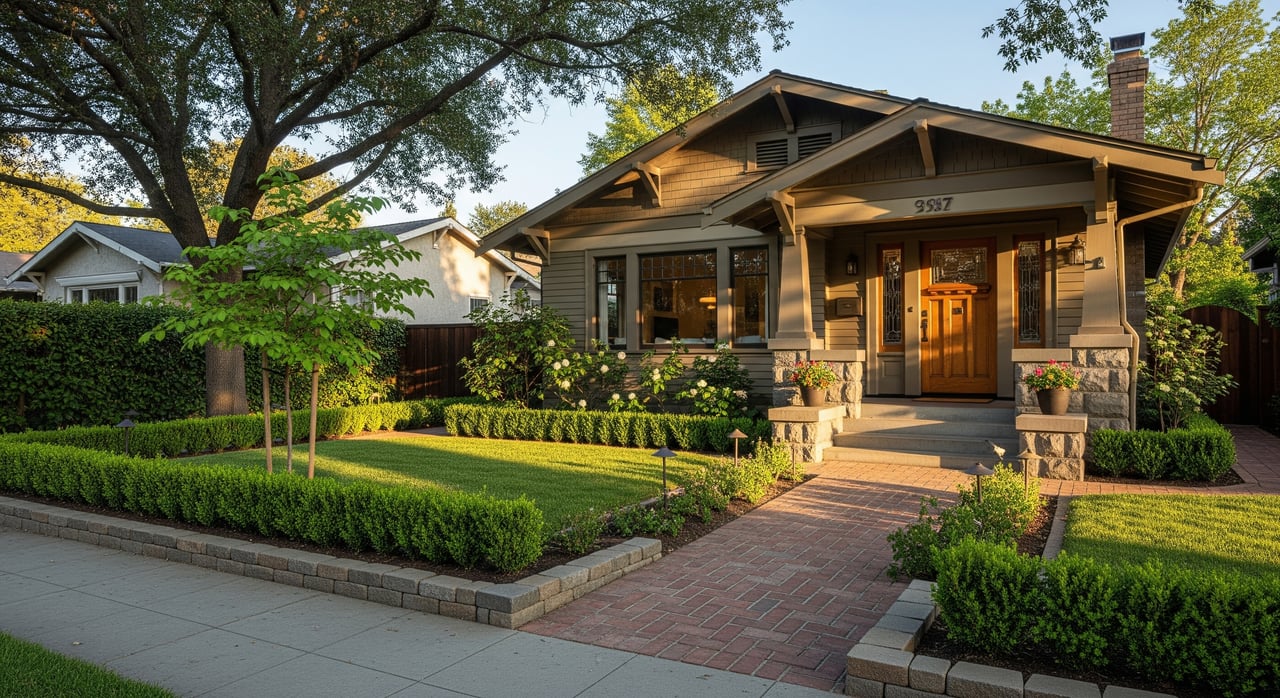
Buyers are drawn to historic character, mature landscaping, and proximity to parks and downtown. You’ll see a blend of established local families, professionals relocating for work, and some investors. Move-in ready homes on quiet, tree-lined streets tend to draw wider interest. When inventory is tight, well-priced listings can move fast.
Choose your pricing strategy
There is no one-size-fits-all price. Your listing strategy should match your home’s condition, the micro-market, and current supply and demand.
Market-value pricing
Market-value pricing aims to attract steady, qualified traffic and realistic offers without overexposure. This is ideal when you have solid comparable sales, the market is balanced or slightly in your favor, and you want a predictable process. Set a competitive price within common search ranges so your listing shows up where buyers are actually looking.
Under-market to spark competition
Aggressive pricing can generate multiple offers and drive the final price above list, especially when inventory is scarce and your home shows beautifully. This works best for move-in ready homes on desirable blocks. The trade-offs include attracting a broader range of financing profiles and creating appraisal risk if the contract price runs ahead of recent comps. Structure your offer review plan in advance to manage these risks.
Aspirational pricing risks
Starting high can feel tempting if your home is special or rare. Use this with caution. Overpricing often extends days on market and leads to reductions that may net less than a strong market-value launch. Stale perception can cut showings. If you choose to test the market, set a short review window and a clear trigger for the first adjustment.
Price-point tactics
Buyers often search in round-number price bands. Pricing just below a threshold can increase visibility in some portals. Small adjustments that place your listing in a more popular search bracket can widen exposure. Use this tactic with care and always tie it back to comps.
Hybrid approaches
If you want to push the top of the range without risking a long tail, try a test-and-adjust plan. Price competitively, then set a 7 to 14 day check-in with defined metrics. If showings and inquiries are light or feedback consistently points to price, adjust swiftly to re-energize interest.
Build your price with data
A compelling list price is backed by clear comps, neighborhood-level metrics, and a transparent rationale. The goal is to give buyers confidence and appraisers a roadmap.
Pick the right comps
Start within about a half mile and 3 to 12 months, adjusting the window based on activity. In low-inventory periods, you may widen distance or extend time, but stay disciplined on match quality. Align on property type, lot size, bed and bath count, age and period, condition and updates, parking, and special features like a detached ADU or pool. Adjust for floor plan and location on the block, and include pending sales to understand current buyer tolerance.
When in doubt, look at multiple methods. Use direct comparable sales as your primary anchor, then sanity-check with price per square foot while adjusting for lot and layout. If you expect appraisal sensitivity, consider a broker price opinion or a pre-list appraisal.
KPIs to watch
Neighborhood-level key indicators help you know how aggressive to be:
- Median and average sold price
- Price per square foot for true peers
- Days on market trends
- Sale-to-list price ratio
- Inventory or months of supply and absorption rate
- Share of cash versus financed purchases
These metrics are strongest when pulled for East Sacramento or sub-areas rather than the entire city. Refresh them right before you list and monitor during the first two weeks.
Presenting your price
Present a range, not just a number. Show three to five recent sold comps and two to three active or pending comps, with notes on adjustments. Include a quick sensitivity analysis that outlines what to expect if you price low, at market, or high. This clarity builds buyer trust, helps you defend value with appraisers, and keeps everyone aligned on the plan.
Plan for financing and appraisals
When multiple offers push a contract price above recent comps, appraisal risk rises. Being prepared can save your deal and protect your net.
Appraisal gaps and remedies
If an appraisal comes in below contract price, buyers can use an appraisal gap clause, add earnest money, or bring cash to close. Sellers can support value by sharing relevant comps and, when prudent, ordering a pre-list appraisal for a unique property. Understanding the loan mix matters. Cash and conventional financing tend to carry fewer appraisal constraint risks than some other loan types.
Disclosures and inspections
California requires specific disclosures for sellers, including the Transfer Disclosure Statement, Natural Hazard Disclosure, and a lead-based paint disclosure for homes built before 1978. Transparent documentation helps set accurate buyer expectations. Pre-list inspections for roof, pest, and sewer can reduce unknowns, support your pricing stance, and streamline negotiations.
Timing your launch
Spring and early summer often bring more buyer activity, but well-presented East Sacramento homes can sell year-round. Off-peak seasons may require tighter pricing and more focus on presentation. If you plan an aggressive strategy, align it with a period when buyers are most active to maximize showings in the first week.
Maximize first-week momentum
Momentum is currency. Before you hit the market, invest in presentation so you earn immediate attention.
- Complete pre-list inspections where appropriate
- Finish light renovations or tune-ups that lift perceived value
- Stage for photos and in-person flow
- Publish compelling marketing assets that highlight period features and neighborhood proximity to parks and downtown
- Set an offer review plan and communicate it clearly
A structured approach sets expectations for agents and buyers and helps you manage multiple offers calmly and confidently.
A practical checklist
Use this quick plan to prepare a list-to-win strategy for an East Sacramento home:
- Pull 12 months of sold comps within roughly a half mile; widen radius or time only if needed
- Add current active and pending comps from the last 30 to 90 days
- Calculate price-per-square-foot ranges and review DOM and sale-to-list ratios for the sub-market
- Note unique features such as historic details, ADU, or lot improvements and quantify adjustments
- Consider a pre-list appraisal or inspections for atypical properties or aggressive pricing plans
- Set a 7 to 14 day price review with clear metrics for a reduction if showings or offers lag
- Prepare a multiple-offer game plan, including any deadline, escalation guidance, and appraisal contingency policies
- Build a net sheet for at least three scenarios: aggressive, market, and aspirational
- Gather required California disclosures and supporting documentation like permits and recent repairs
Work with local expertise
Pricing in East Sacramento is part data and part street-level nuance. A team that understands micro-markets, buyer behavior, and contract strategy can help you defend top value and navigate appraisal and contingency questions. Portfolio Real Estate combines neighborhood expertise with full-service listing prep, including staging and renovation coordination, so you can launch confidently and negotiate from strength.
Ready for a pricing plan built for your block and your goals? Connect with Portfolio Real Estate to get a free home valuation and a personalized strategy.
FAQs
How do I choose a list price in East Sacramento?
- Base it on recent comparable sales, current neighborhood supply, your home’s condition, and your timing goals. Present a price range with comps and a clear rationale.
Does listing low guarantee multiple offers in East Sacramento?
- No. It depends on demand, seasonality, condition, and location on the block. An aggressive price can help, but results vary by micro-market and presentation.
How do appraisals affect my final sale price?
- If contract price exceeds comps, the appraisal may come in low. Buyers can cover gaps with cash or clauses, and sellers can support value with comps or a pre-list appraisal.
Are price reductions harmful for East Sacramento listings?
- Strategic reductions can help when early activity is light. Avoid long stints at an inflated price, and use a planned review window to adjust quickly if needed.
What KPIs should I monitor before listing?
- Review days on market, sale-to-list ratio, months of supply or absorption, price per square foot for peers, and the share of cash versus financed sales.
Why do some East Sacramento homes list below perceived market value?
- Some sellers price under market to increase traffic and create competition. Buyers should stay diligent on inspections and appraisals when bidding up.
What upgrades help support a higher price?
- Clean presentation, thoughtful staging, and repairs that remove buyer doubts often deliver outsized returns. Pre-list inspections can also strengthen your pricing case.