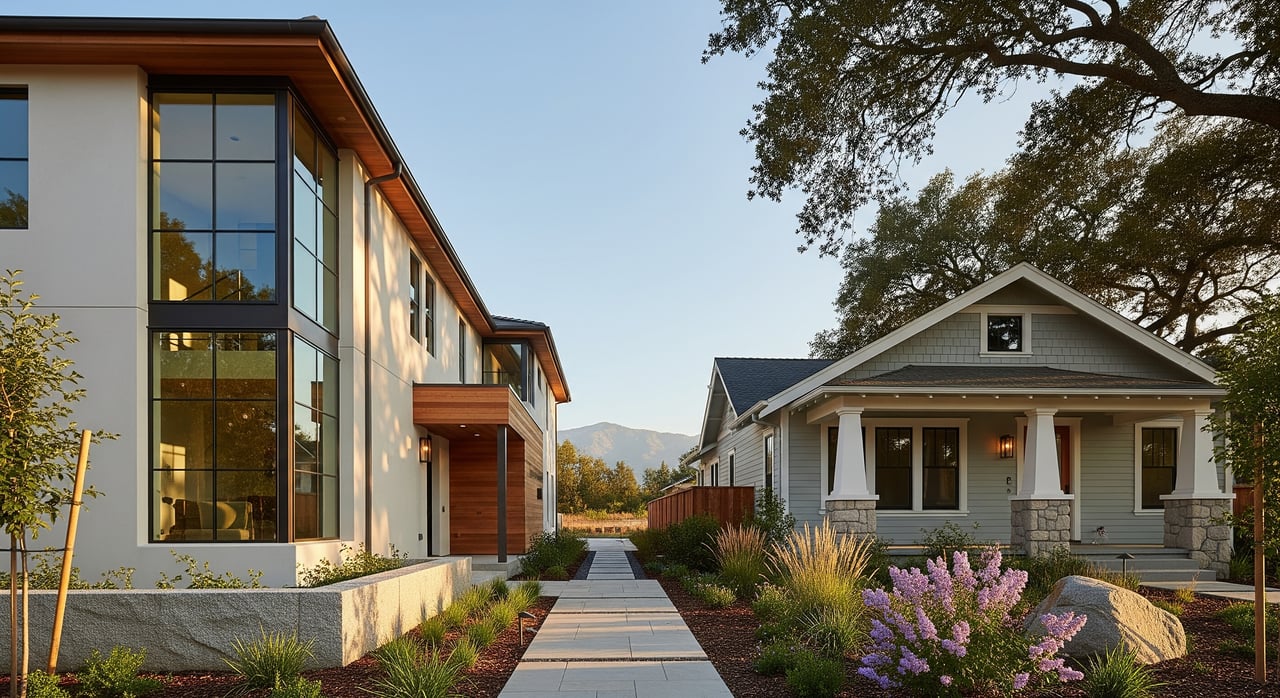
Trying to decide between a brand-new build and a move-ready resale in Rocklin? It is a big choice, especially when you care about budget, timing, and long-term value. In this guide, you will learn how new construction and resale homes compare in Rocklin, what to watch in contracts and inspections, and how to match your choice to your lifestyle and timeline. Let’s dive in.
Rocklin market basics to check now
Rocklin sits in Placer County within the greater Sacramento region. Buyers often focus on public school boundaries, neighborhood maturity, HOA rules, and commute routes. You will also see both master-planned communities and established neighborhoods, which can change lot sizes, street layouts, and amenities.
Market conditions shift over time. Inventory levels, days on market, and mortgage rates affect whether builders offer incentives or resale sellers accept price reductions. Before you decide, check current Rocklin trends through local MLS reports and regional REALTOR reports, including sale-to-list ratios and median price movement.
Price and total cost
New construction costs
New construction often carries a price premium. You may pay for a new home, modern systems, and customization. Builders can charge lot premiums for views or special locations and separate upgrade pricing for finishes and features. Impact fees and development costs are folded into prices or closing costs, so review your estimate carefully.
Include HOA dues, property taxes, and insurance in your monthly budget. Some master-planned communities have amenities that increase dues.
Resale costs
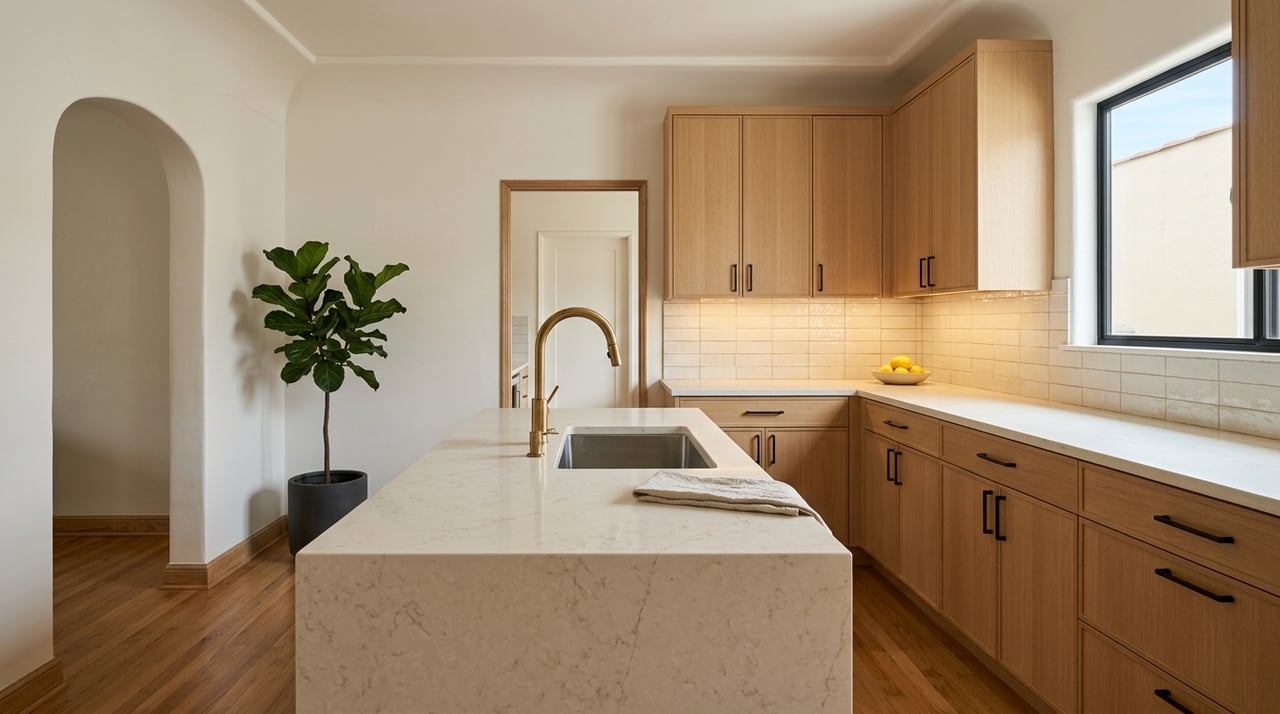
Resale prices can be more negotiable, depending on market conditions and home condition. Older homes may sell below replacement cost if they need updates. Budget for deferred maintenance and upgrades such as roofing, HVAC, windows, or kitchen and bath refreshes.
Total cost of ownership matters. Compare your monthly payments, HOA dues, utilities, and upcoming repairs to get a clear, apples-to-apples picture.
Financing differences
New build loans and incentives
Builders sometimes offer rate buy-downs or closing cost credits. Compare these incentives to the base price and your long-term costs to see the true value. Some purchases require construction-to-permanent financing, and lenders may handle appraisals differently for new builds, especially if the home is not complete.
Review contingency terms and deposits in the builder contract. Some builders require non-refundable deposits or offer different protections than standard resale agreements.
Resale mortgages
Resale purchases typically use conventional, FHA, or VA loans. Appraisals rely on recent comparable sales. If the neighborhood has few recent comps or the home has unique features, valuation can be harder. FHA and VA loans may have condition standards that older homes must meet.
Timing and certainty
New construction timelines
Your closing timeline depends on the build stage. Pre-sales can take months to complete construction. Weather, materials, and labor can introduce delays. Ask for the expected completion date and how delays are handled in the contract.
If you buy a completed spec home, the process can be similar to a resale, but always confirm permits and occupancy sign-offs before closing.
Resale timelines
Resale transactions in Rocklin usually close within 30 to 45 days after offer acceptance when financing and title are straightforward. You will have standard contingencies for inspection, loan, and appraisal. If you need to move soon, resale can be the faster path.
Customization and energy efficiency
New build features
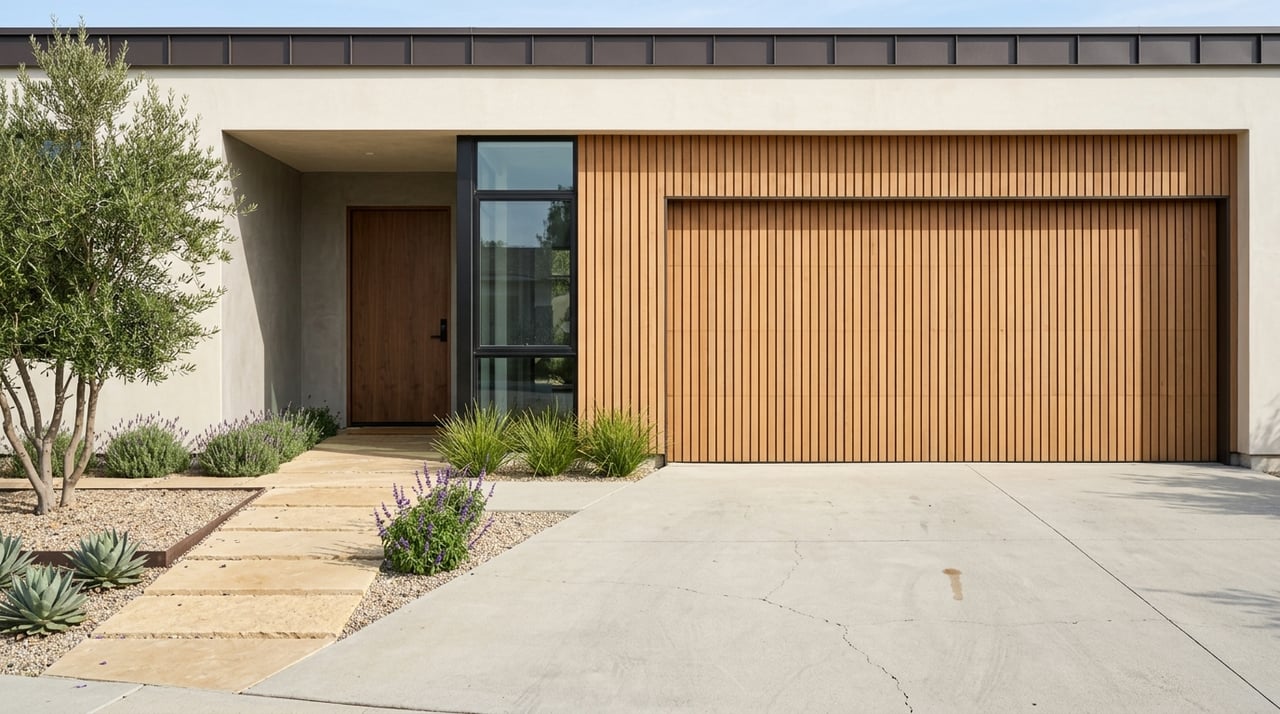
New Rocklin homes are built to current California codes that emphasize energy performance. Many include efficient HVAC, upgraded insulation, and wiring for smart home features. Some communities may offer solar or EV-ready options. You can often personalize finishes and sometimes floor plans, which can be a major lifestyle benefit.
Ask for performance specs, such as HERS ratings or estimated utility costs, so you know what to expect.
Resale upgrades
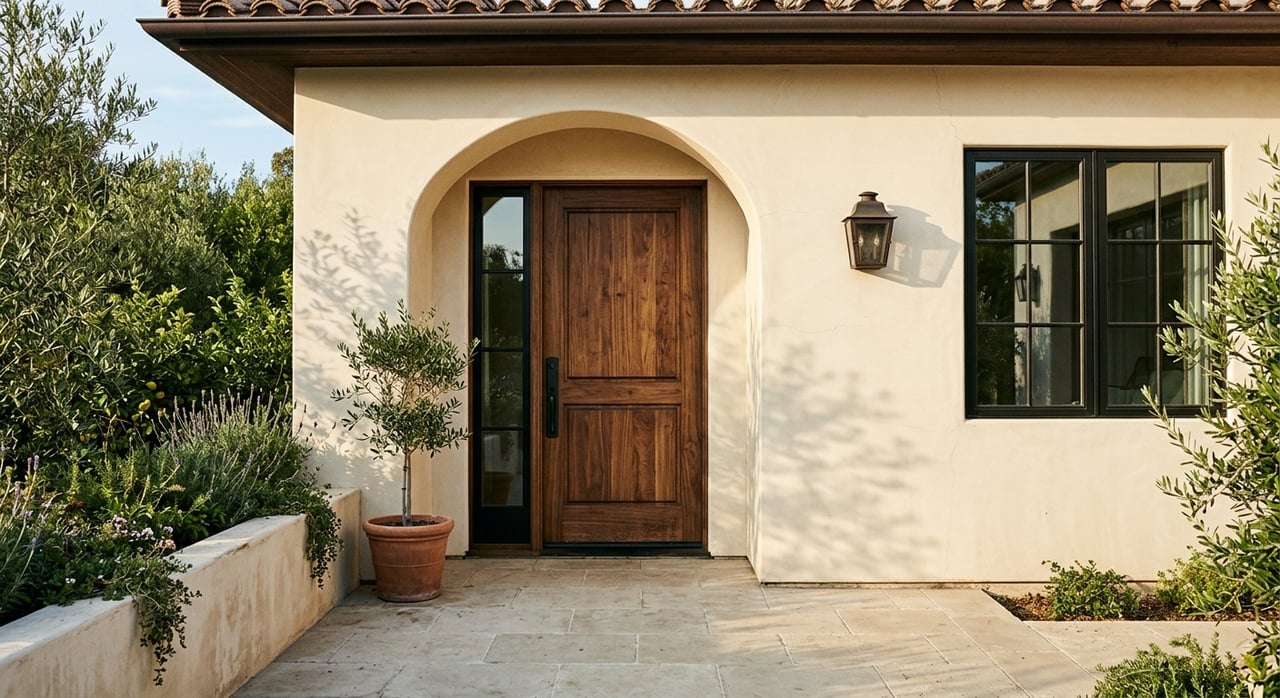
Resale homes offer character, mature landscaping, and established street trees. You can upgrade after closing to fit your taste. Keep in mind that energy retrofits like windows, insulation, and HVAC can improve comfort and monthly costs but require budget and planning.
Condition and inspections
New build inspections
Do not skip inspections on a new home. Independent inspections at framing and before closing help catch issues early. Verify that all work is permitted and that final sign-offs are recorded before you take ownership.
Resale inspections
Order a full home inspection and follow up with specialists as needed, such as pest, roof, HVAC, pool, or sewer. Sellers in California must provide statutory disclosures, including a Transfer Disclosure Statement and Natural Hazard Disclosure, and additional documents if there is an HOA.
Warranties and protections
Builders typically offer a written warranty. Common structures include one year for workmanship, two years for mechanical systems, and a longer structural warranty that can extend to ten years. Confirm what is covered, how to file claims, who backs the structural warranty, and whether coverage transfers to a future buyer.
Resale homes do not come with a blanket warranty. Your protection comes from inspections, seller disclosures, and negotiating repairs or credits before closing. After closing, remedies are limited to issues that were known and not disclosed.
Resale value and appreciation
New homes may command a premium at first. Over time, appreciation depends on location, lot quality, and community desirability. In some areas, initial premiums compress at resale when similar newer homes are available.
Established neighborhoods with larger lots and mature landscaping can see steady demand. For resales, high-quality kitchen and bath updates and major system upgrades often deliver better resale returns than purely cosmetic changes.
Lifestyle and HOAs
New construction often sits within master-planned communities with parks, trails, and consistent design standards. HOAs may manage amenities and design review. Review CC&Rs and budgets so you understand rules and dues.
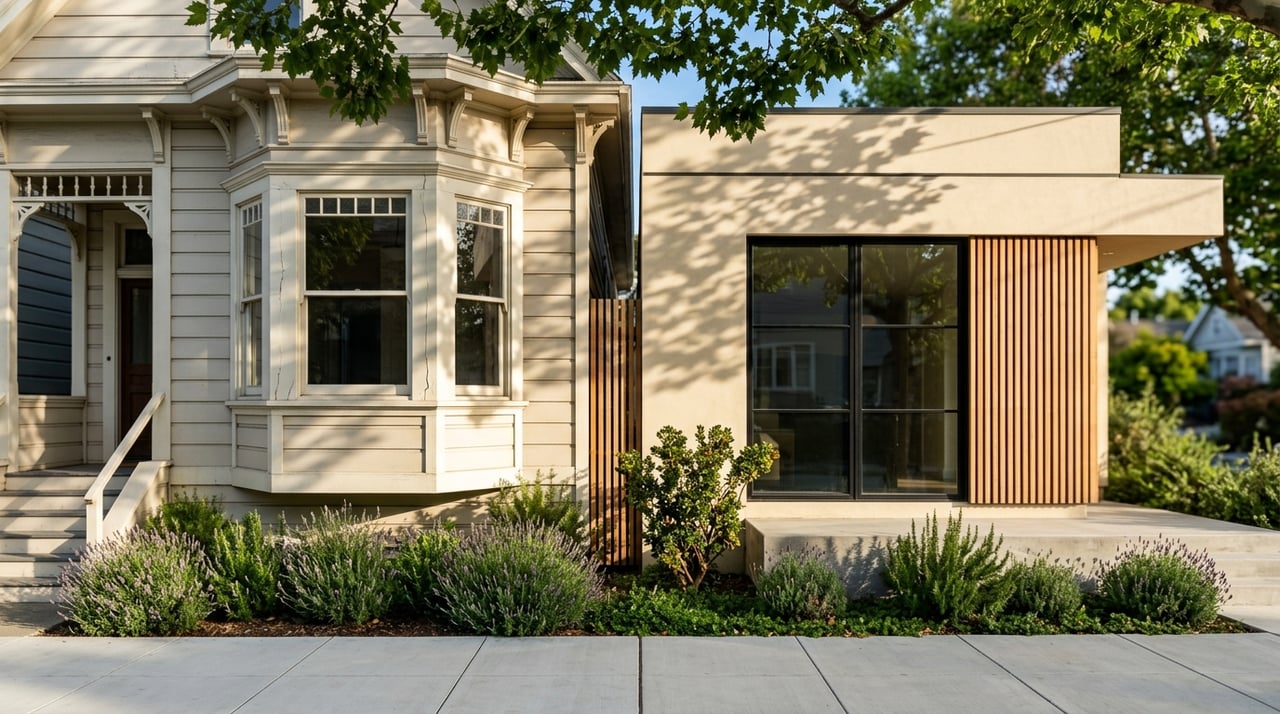
Resale options in mature neighborhoods offer variety in architecture and landscaping. HOA presence varies. If you prefer more flexibility for improvements, verify HOA requirements and any city permits you will need before planning projects.
Rocklin-specific risk checks
Every lot is different. Review wildfire exposure using state resources and look up flood zones through federal mapping tools. Consider earthquake risk and whether you want separate earthquake insurance. For new builds, confirm all permits, inspections, and occupancy approvals. For resales, verify that any additions were permitted and finaled.
If you are buying in an HOA, request the full document package early, including financials, meeting minutes, CC&Rs, and the current budget. High dues can affect affordability.
Decision framework
Use these questions to find your best fit:
- What is your move-in timeline? Do you need 30 to 45 days or can you wait months?
- How much customization do you want compared to a move-ready home?
- What is your tolerance for construction delays and schedule risk?
- How important are energy efficiency and lower maintenance in the first few years?
- What total monthly cost can you support, including mortgage, HOA, taxes, and insurance?
- Do you value larger lots, established trees, and neighborhood character?
Buyer profiles: best fits
- Often new construction is a fit if you want low maintenance, modern systems, and the chance to personalize finishes, and you are comfortable with an extended timeline and HOA rules.
- Often resale is a fit if you need faster move-in, want an established neighborhood or larger lot, and prefer more room for price negotiation or value-add upgrades.
- Investors often focus on resale opportunities where renovations can add value. Some HOAs in new communities may have rental restrictions, so review rules closely.
Negotiation playbook
- New construction: Focus on incentives such as rate buy-downs, closing cost credits, or option upgrades. Base prices can be firm in hot markets, but builders may flex on upgrades or credits when inventory sits longer.
- Resale: Use inspection results to negotiate repairs or credits. Depending on market conditions, price reductions or seller-paid closing costs may be possible.
What to do next in Rocklin
- Get current Rocklin market data from local MLS and regional REALTOR reports, including active inventory, days on market, and median price trends.
- If considering new construction, visit builder sales offices, request itemized pricing for base homes and options, and confirm warranty coverage and expected completion dates.
- For resales, review seller disclosures early and line up inspections. Verify permits on any additions and check HOA documents if applicable.
- Speak with a local lender about your financing options and appraisal considerations for new builds versus resales.
- Map school boundaries and commute routes, and visit neighborhoods at different times of day to understand traffic and noise patterns.
If you want a calm, step-by-step plan, our team can help you compare specific Rocklin homes side by side, run true total-cost scenarios, and negotiate the terms that fit your goals. Reach out to Portfolio Real Estate to get started.
FAQs
How much more do Rocklin new construction homes cost than resales?
- New construction often carries a premium for a brand-new home, customization, and lot selection, while resale pricing can be more negotiable and may reflect needed updates.
How long does a new home build take in Rocklin?
- If you buy pre-build, plan for several months and potential delays from weather, materials, or labor; a completed spec home can close on a timeline similar to a resale.
What inspections should I order for a new build in Rocklin?
- Schedule independent inspections at framing and before closing, and verify permits and final occupancy approvals rather than relying only on builder sign-offs.
What warranties do Rocklin builders typically provide?
- Many builders offer one year for workmanship, two years for mechanical systems, and a longer structural warranty, often administered by a third-party insurer; confirm coverage and transferability.
How do HOA rules differ in Rocklin’s new vs. older neighborhoods?
- New master-planned communities often have active HOAs with design review and amenities, while older areas may have no HOA or different restrictions; always review CC&Rs and budgets.
Are new Rocklin homes more energy efficient than older resales?
- New homes are built to current California energy standards and often include efficient HVAC and insulation, while older homes may need retrofits like windows or HVAC upgrades.
Do Rocklin new homes hold resale value as well as established homes?
- It depends on location, lot quality, and community demand; initial new-home premiums can compress over time, while established areas with mature landscaping can show steady appeal.
What contingencies should I seek in a builder contract in Rocklin?
- Seek protections on financing, appraisal, inspections, and completion timing, and clarify deposit terms, warranty coverage, and remedies for delays.
Can I negotiate price or upgrades with a Rocklin builder?
- Builders may be more flexible on closing cost credits, rate buy-downs, or upgrades than on base price, especially when inventory is higher or demand softens.