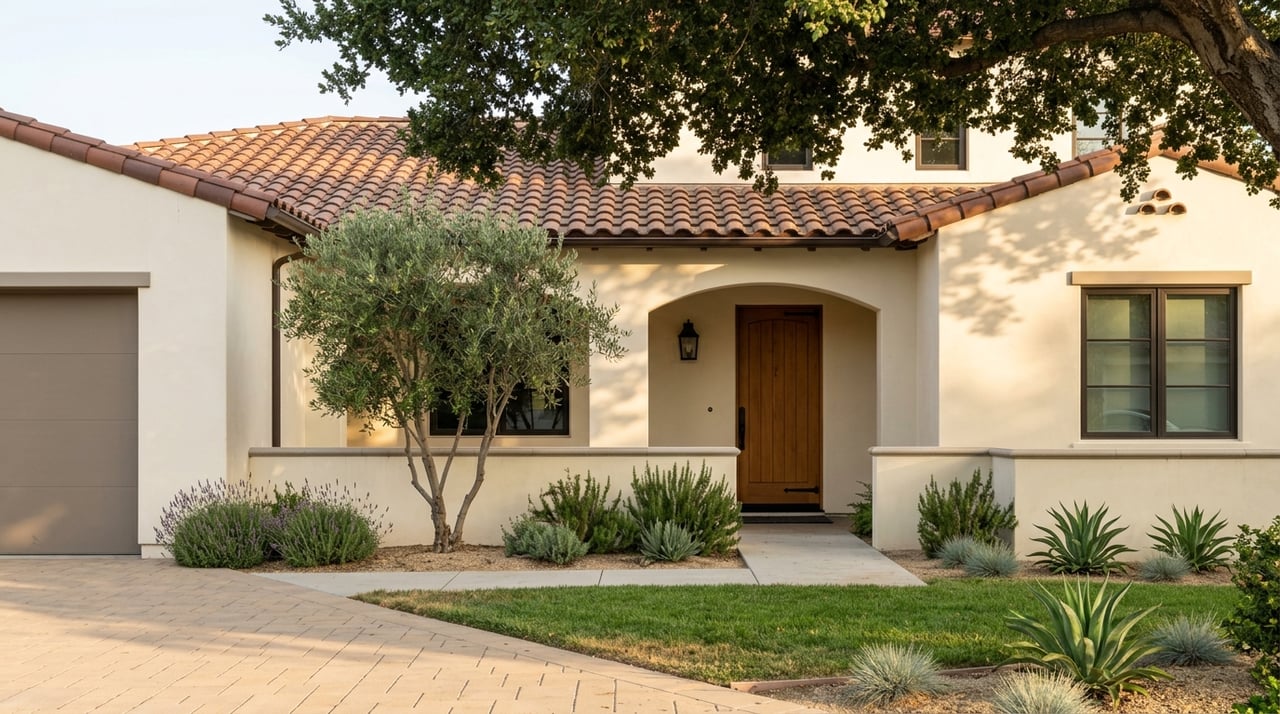
Wondering whether you should buy in one of Roseville’s newer neighborhoods or look for a home in an established area? It’s a smart question, because in Roseville, those two options can feel very different in day-to-day life. If you are trying to balance home style, lot size, amenities, and location, this guide will help you compare the tradeoffs with more clarity. Let’s dive in.
Why Roseville Feels So Different by Area
Roseville’s newer and older neighborhoods are not just different by age. They were shaped by different planning approaches, and that shows up in how they look, feel, and function.
The city says newer neighborhoods are often built through Specific Plans and development agreements. These plans set more detailed standards for land use, circulation, infrastructure, and design, which is one reason newer areas often feel more consistent from block to block.
By contrast, Roseville’s Infill Area is the older core of the city. It grew through the early 1980s and is now close to fully developed, with a mix of residential, commercial, and industrial uses that creates a more varied street pattern and neighborhood feel.
What Buyers Usually See in Newer Roseville Neighborhoods
If you are drawn to newer construction, West Roseville is the clearest example of large-scale planned growth. The West Roseville Specific Plan covers 3,162 acres west of Fiddyment Road and north of Pleasant Grove Boulevard, with 8,792 planned single-family and multi-family homes plus commercial land, parks, open space, and schools.
That kind of planning usually creates a more predictable buying experience. You may find homes with similar age, similar floor plans, and a more uniform streetscape, which can make comparison shopping easier.
Newer Areas Often Feel More Standardized
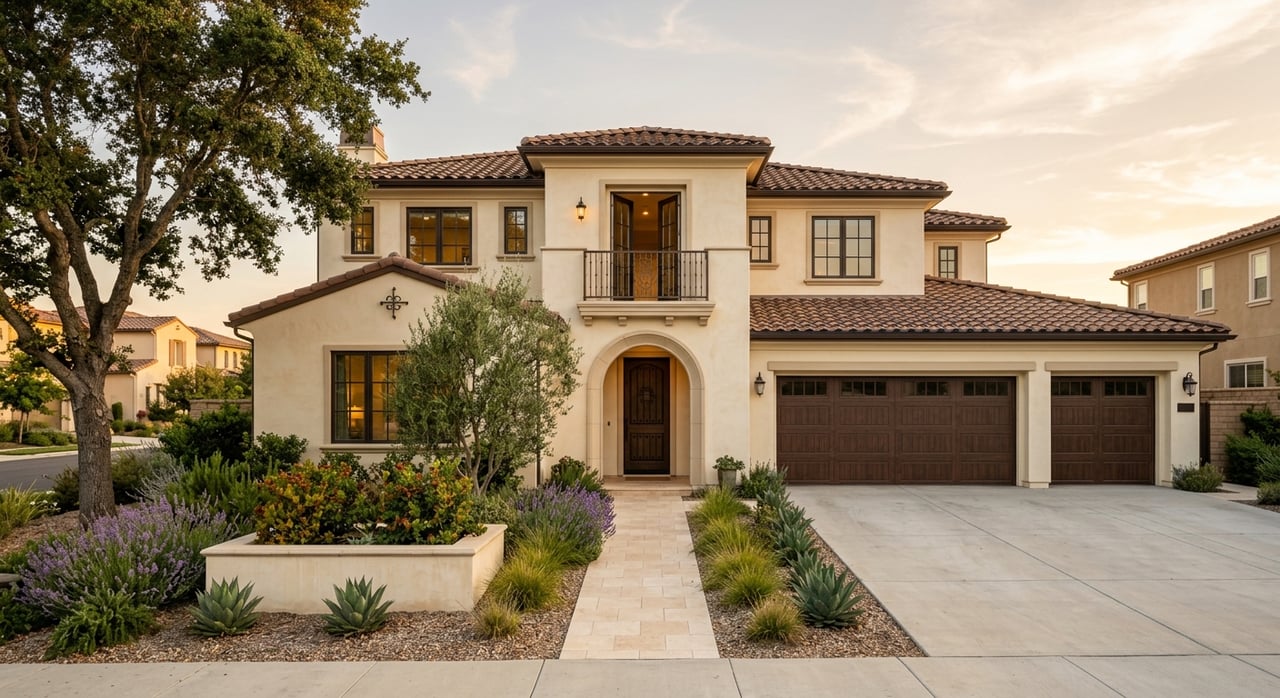
A city staff report for Westpark Village 15B gives a useful snapshot of what newer housing can look like in Roseville. It described 77 detached homes on 12.6 acres, with minimum lot sizes of 3,600 square feet for interior lots and 4,400 square feet for corner lots.
The same report described two-story homes of about 2,000 to 2,500 square feet, with rear yards roughly 450 to 900 square feet. For you as a buyer, that points to a common newer-neighborhood pattern: newer homes, more efficient lot layouts, and smaller but usable yards.
Planned Amenities Can Shape Daily Life
Newer master-planned areas often put amenities at the center of the neighborhood design. The West Roseville plan describes a village-center concept where residents can meet, shop, eat, recreate, and access services.
The plan also says schools and parks are within walking distance of most residences. Roseville’s park system supports that lifestyle, and Fiddyment Park is one example, with swings, a zip line, and a covered picnic area.
Fees and Taxes Can Vary by Tract
One of the biggest misconceptions about newer neighborhoods is that they all have the same cost structure. In reality, they can vary quite a bit.
For example, the Westpark Neighborhood Association says it is not an HOA and has no fees or dues. At the same time, the city has a CFD page for the area, and Roseville’s Special Taxes & Assessments information says CFD special taxes are typically collected on the property tax bill.
That means your actual monthly and annual costs can differ from one tract to another. Before you commit, review parcel-specific disclosures for HOA dues, neighborhood association status, special taxes, assessments, and any design restrictions.
What Buyers Usually See in Established Roseville Neighborhoods
If you prefer a more layered, mature setting, established Roseville neighborhoods may be a better fit. In the city’s older core, you are more likely to see a mix of home styles, block patterns, and nearby uses rather than one uniform subdivision design.
The city describes the Infill Area as close to fully developed. That usually means less of a master-planned feel and more of an urban fabric where residential streets, commercial corridors, and civic spaces may sit near each other.
Older Areas Offer More Variety
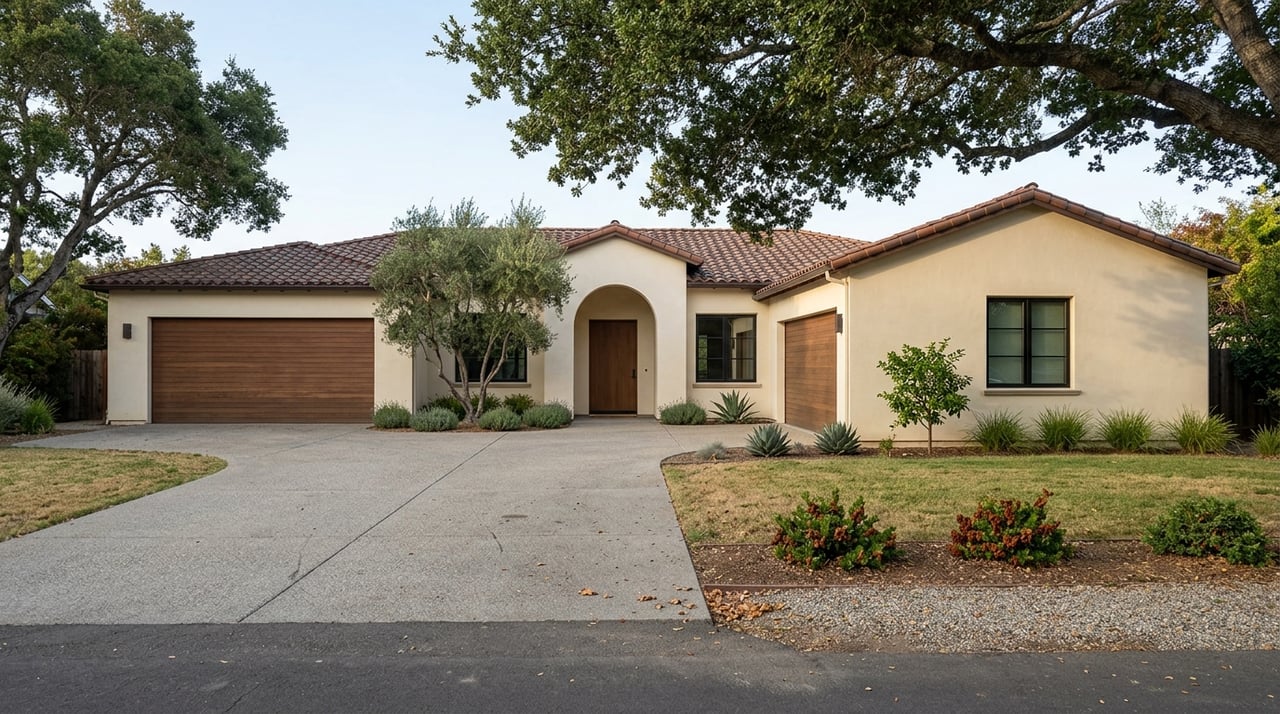
Established neighborhoods tend to feel less predictable, but that can be part of the appeal. You may see more variation in architecture, lot shape, tree cover, and street character from one block to the next.
For some buyers, that variety feels more personal and less cookie-cutter. For others, it can mean you need to evaluate each home and street on its own rather than assuming the surrounding area will all feel the same.
Downtown and Old Town Feel More Connected
Roseville’s downtown and historic core show the strongest version of the established-neighborhood experience. The Downtown Specific Plan covers Historic Old Town, the Vernon Street District, and Royer and Saugstad Parks, and it emphasizes mixed-use and residential development under a unique downtown code.
That creates more of a district feel than a subdivision feel. The city also says Historic Old Town was redesigned to support businesses, residents, railroad patrons, and community events, which adds to the area’s distinct character.
Mature Parks and Trails Add to the Appeal
Established neighborhoods often benefit from older landscape features and civic connections that have built up over time. Royer Park is a good example. The city says it was purchased in 1917 and includes mature trees, shaded picnic areas, and trail access to the Downtown Library, Town Square, and historic Vernon Street.
The trail network is another strength. Miners Ravine Trail was designated a National Recreation Trail in 2025, spans 6.36 miles, and winds through open space, preserved riparian corridors, and residential neighborhoods. The Harding-to-Royer extension also connects the trail into downtown and to Royer Park.
The Real Tradeoffs for Buyers
In simple terms, newer neighborhoods usually offer more predictability, while established neighborhoods offer more character. Neither is automatically better. The right fit depends on how you want to live.
In Roseville, that difference is easy to see. On one side, newer areas like Westpark show tighter lot standards, more standardized design, and planned amenities. On the other, the infill and downtown areas offer a more mixed, mature, and layered setting.
Choose Newer if You Want Consistency
A newer or master-planned area may fit you best if you want:
- More consistent neighborhood design standards
- Newer construction patterns
- Easier comparison shopping between similar homes
- A planned village-center feel
- Close access to newer parks and community amenities
If you value convenience and a more streamlined house hunt, this path can feel simpler. You may spend less time sorting through major differences in age, style, and layout from one listing to the next.
Choose Established if You Want Character
An established or infill area may fit you best if you want:
- A more mature setting
- Closer ties to downtown and Historic Old Town
- More varied streetscapes and home styles
- Older trees, civic spaces, and connected trails
- A neighborhood feel that has evolved over time
If you enjoy personality and place, established neighborhoods may speak to you more. You may find that the area itself matters just as much as the home.
Roseville Is a Citywide Amenity Market
One important point for buyers is that this choice is usually not about whether Roseville offers enough to do. The city describes Roseville as the region’s retail center, anchored by Westfield Galleria and Fountains at Roseville.
The city also says Roseville has more than 80 parks, more than 40 miles of paved off-street trails, and more than 100 miles of bike lanes. That means the decision often comes down to your preferred micro-lifestyle, not whether the city as a whole has strong amenities.
A Smart Buyer Checklist
Before you choose between a newer or established Roseville neighborhood, take time to compare the details that most affect your daily life and long-term comfort.
Use this checklist as you narrow your options:
- Compare lot size and yard space
- Look at the surrounding street pattern and neighborhood layout
- Ask about HOA dues, neighborhood association status, and CFD special taxes
- Review parks, trails, and nearby services that matter to your routine
- Notice whether you prefer a more uniform or more varied setting
- Evaluate each tract or block individually rather than relying on broad assumptions
That last point matters most. In Roseville, neighborhood differences can be significant, even within the same general area.
If you want help comparing Roseville neighborhoods in a way that matches your budget, lifestyle, and long-term goals, the team at Portfolio Real Estate is here to guide you with local insight and a personalized plan.
FAQs
Should buyers choose newer or established neighborhoods in Roseville?
- It depends on your priorities. Newer neighborhoods often offer more consistent design, planned amenities, and easier comparison shopping, while established neighborhoods often offer more character, mature surroundings, and closer ties to downtown.
What are newer neighborhoods like in West Roseville?
- West Roseville is the city’s clearest example of large-scale planned growth, with thousands of planned homes plus parks, open space, commercial land, and schools. Buyers often see newer homes, more standardized streetscapes, and smaller, more efficient lots.
What are established neighborhoods like in central Roseville?
- Established areas in Roseville’s older core tend to have a more mixed neighborhood fabric, with varied home styles, mature trees, civic spaces, and stronger connections to downtown, Historic Old Town, parks, and trails.
Do newer Roseville neighborhoods always have HOA fees?
- No. Cost structures can vary by tract. Some areas may have an HOA, some may have a neighborhood association, some may have CFD special taxes, and some may involve a mix of those or none at all.
Why do older Roseville neighborhoods feel different from newer ones?
- The difference is tied to city planning. Newer neighborhoods are often shaped by Specific Plans with detailed design and infrastructure standards, while older areas developed earlier and are closer to fully built out, creating a more varied and layered feel.
What should buyers verify before buying in Roseville?
- Buyers should review parcel-specific disclosures and compare HOA dues, neighborhood association status, CFD special taxes, assessments, lot-size standards, and any design restrictions before making an offer.